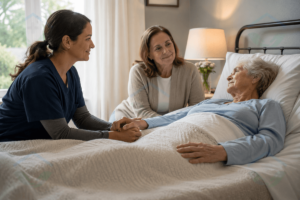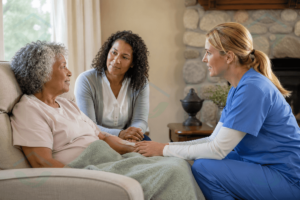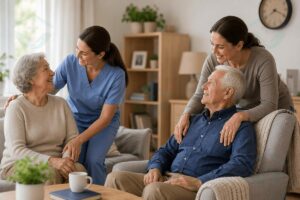
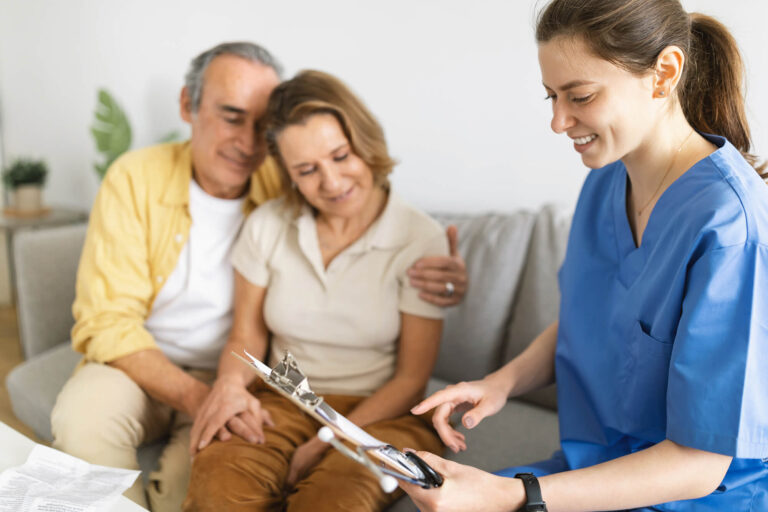
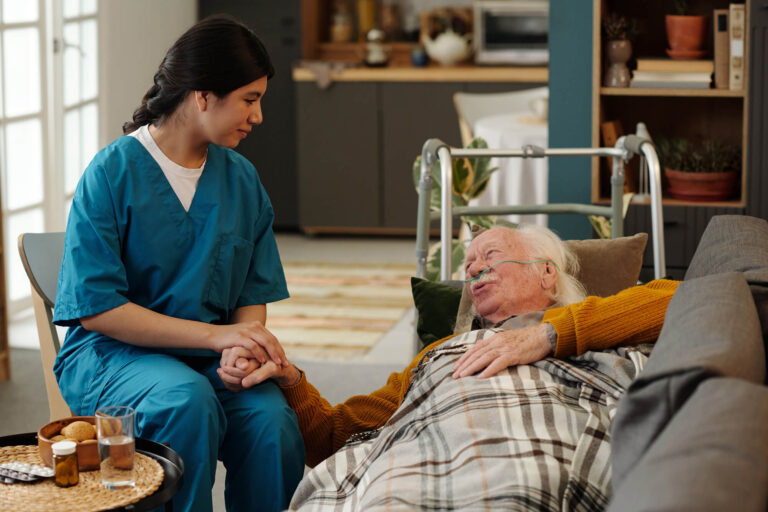

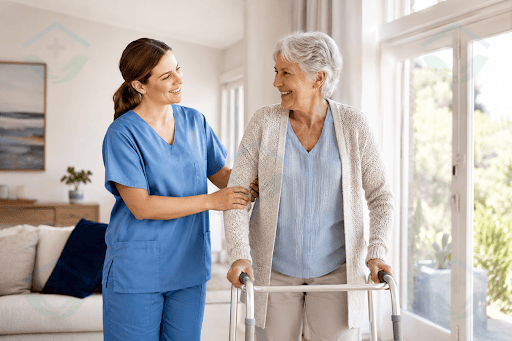
Old age does not necessarily need to be the end of being at home. The rising numbers of older people opting to age at home are unprecedented in the past and weaken the argument that taking them to homes implies that they will receive home-based care. With technological advancements in professional home healthcare, elderly individuals can comfortably cope with health disorders, conquer illnesses, and stay independent without having to relocate into assisted living facilities and nursing homes.
In New Jersey, families are becoming increasingly reliant on home health care NJ providers to provide customized care that balances skilled care with compassionate in-home care. Home health care services allow a senior to live safely in their home after surgery or with ongoing assistance managing chronic conditions, improving quality of life.
What Does Aging in Place Mean?
Aging in place is the concept that the elderly can stay in their houses as they age rather than transferring to other institutions where they receive care. It can also help the older adults to continue doing what they like, keep in touch with their communities, and have the comfort of what they commonly know and get what they need.
For many families, staying at home can improve mood, reduce stress, and maintain a sense of independence. Nevertheless, aging in place usually involves professional support in order to make sure that older adults are able to lead a normal life and receive the necessary medical care.
That is the place where the idea of professional home health care is installed as a crucial aspect of successful aging.
How Home Health Care Supports Aging in Place
Professional home health care services are developed based on the need to house both medical and non-medical requirements of the seniors who may, nonetheless, be able to stay safe and independent in their homes.
Depending on an individual’s health condition, services may include:
- Skilled nursing care
- Medication management
- Physical therapy
- Occupational therapy
- Speech therapy
- Personal hygiene assistance
- Meal preparation
- Mobility support
- Chronic disease management
- Health monitoring
Benefit 1: Personalized Medical Care at Home
Using professional home health care is one of the most outstanding benefits a person can get, as they can receive skilled medical attention without leaving their home.
Services that could be offered by the licensed nurses include:
- Wound care
- Blood pressure monitoring
- Diabetes management
- Medication administration
- Catheter care
- IV therapy
- Post-surgical monitoring
- Health assessments
Benefit 2: Greater Independence with Daily Activities
One of the main objectives of in-home care is to stay independent. Caregivers help the seniors with their day-to-day activities but also help them stay as connected as possible and active.
Support may include:
- Bathing
- Dressing
- Grooming
- Meal preparation
- Light housekeeping
- Laundry
- Medication reminders
- Grocery shopping
- Transportation to appointments
Benefit 3: Improved Safety and Fall Prevention
Among elderly individuals, falls are among the most common causes of injury. Home safety tests and mobility aids by professional caregivers assist in minimizing such risks.
Safety measures often include:
- Removing tripping hazards
- Installing grab bars
- Improving lighting
- Monitoring mobility
- Assisting with walking
- Using mobility equipment correctly
- Encouraging safe exercise routines
Benefit 4: Better Management of Chronic Health Conditions
Most older adults have chronic illnesses that must be frequently monitored and regularly treated.
Some of the common conditions assisted by home health care New Jersey providers include:
- Diabetes
- Heart disease
- COPD
- Arthritis
- Parkinson’s disease
- Alzheimer’s disease
- High blood pressure
- Stroke recovery
Benefit 5: Emotional Well-Being and Family Support
Successful aging entails much more than physical health. Efforts to be emotionally well are also essential. By receiving professional home health care, the seniors will be in close contact with their family, friends, neighbors, and other well-known surroundings that they find comforting and provide emotional strength.
Caregivers also offer companionship by:
- Engaging in conversation
- Encouraging hobbies
- Playing games
- Going on walks
- Accompanying seniors to community events
- Supporting social interaction
Home Health Care After Hospital Discharge
A large number of the elderly need extra assistance after surgery or hospital stay. Instead of prolonging a hospitalization, doctors will usually prescribe home health care to stay at home to continue recovery.
The treatment might involve:
- Medication management
- Skilled nursing visits
- Physical rehabilitation
- Wound care
- Pain monitoring
- Follow-up care coordination
- Mobility assistance
For example, a senior recovering from hip replacement surgery in New Jersey may receive regular nursing visits and physical therapy at home, helping them regain strength while avoiding unnecessary travel.
Is Aging in Place Right for Every Senior?
Many older adults, although they age in place successfully, are situation-specific. The generally safe and safe home environment, as well as the availability of family support and professional caregivers to support medical and personal care needs, are the characteristics of elderly people who can benefit from it the most. Healthcare professionals can identify which home health care services best support long-term independence, while also taking into consideration changing health conditions.
Conclusion
Professional home health care options enable the elderly to have the comforts of home and enjoy the personalized medical and personal care that fosters safety, independence, and dignity. It could be after surgery, chronic illness treatment, or even the older adults who are in need of help with all their activities of daily living, and home health care providers are working to help the older adults age well at home without compromising their quality of life. Compassionate in-home care provides an effective and comforting resolution to long-lasting well-being for those families that require reliable home health care NJ services.
Frequently Asked Questions
1. What does aging in place mean?
The concept of aging in place implies that older adults can remain safe and independent at their new homes but with any medical or personal support that is needed.
2. What services are included in home health care?
Home health care services can be in the form of skilled nursing, physical therapy, occupational therapy, medication management, personal care, rehabilitation and monitoring of chronic diseases
3. Who can benefit from Home Health Care NJ services?
The elderly who have undergone surgery, have chronic conditions, wear-and-tear, or those who require care or help with their daily tasks can be assisted by professional in-home care.
4. How does home health care improve safety?
Nurses and other healthcare providers enhance protection against falls, check on the health of patients, administer drugs, give mobility support, and prescribe home safety measures.
5. Is home health care only for seniors?
No. Although seniors are the primary users, adults recovering from surgery, injuries, or chronic illnesses can also receive home health care services.
6. Why choose professional home health care instead of moving into a facility?
Professional home health care allows individuals to receive personalized medical and personal support while remaining in familiar surroundings, maintaining independence, and staying connected with family and community.