

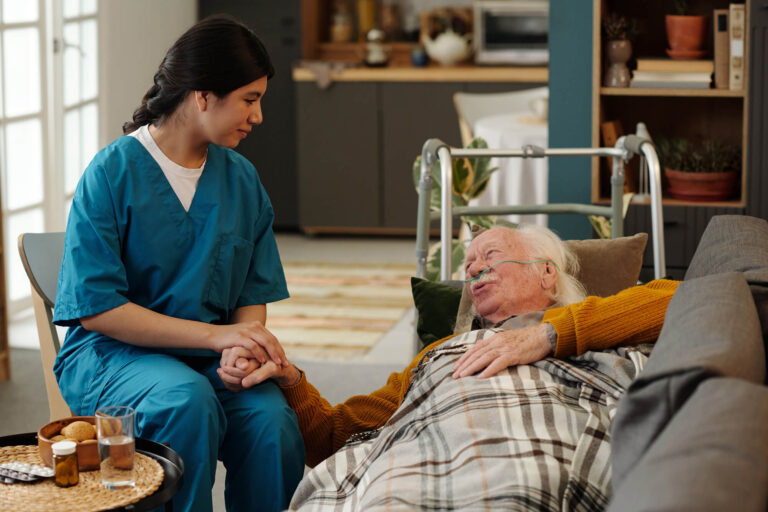

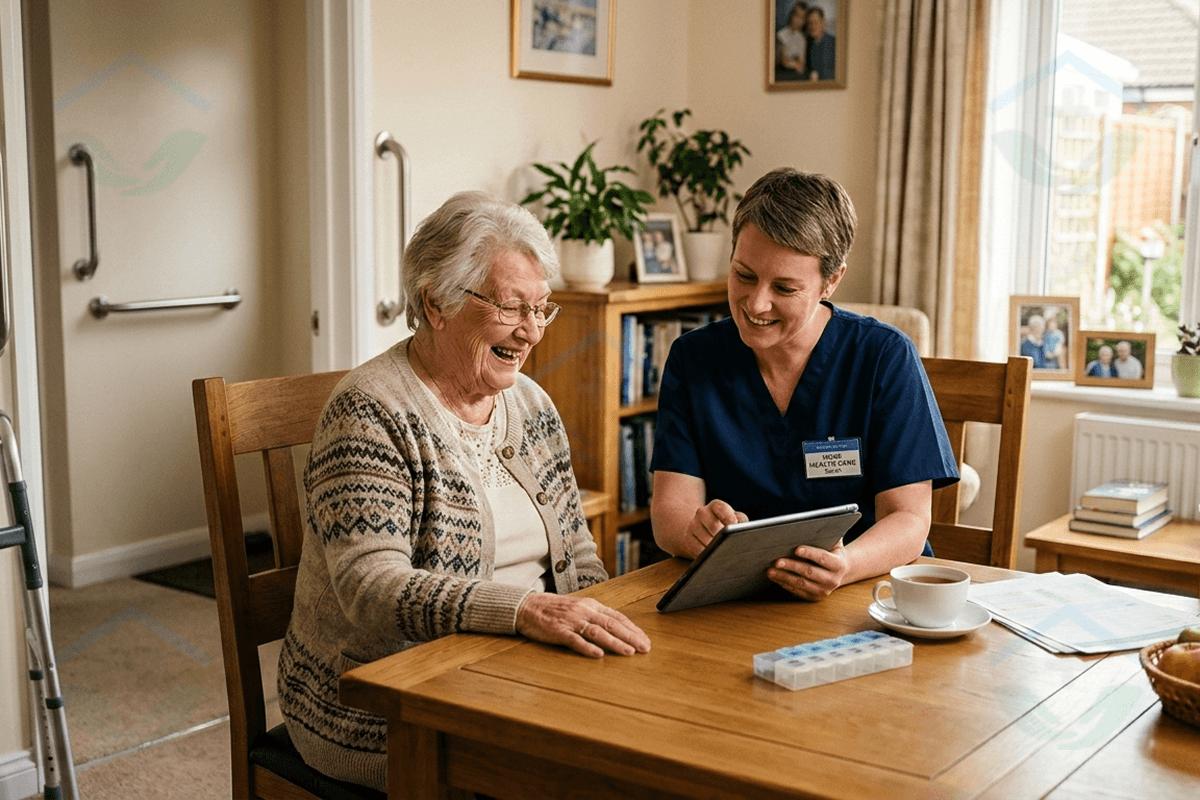
Lots of older people would like to remain in the area where they know the neighbours and the everyday routines. Aging in place provides a realistic solution since it enables older adults to stay in their own home at the same time as receiving the support they need.
Seniors will be able to carry out their daily activities in a safer way if they have proper home health care; they can also get assistance with personal care, taking their medications, mobility, and other needs. It is possible for family members to remain involved without them then becoming the only source of support.
What does the concept of aging in place mean for older people?
Living in your home as you get older is what is meant by aging in place, and this does not imply that you have to do everything by yourself. Rather, when necessary, older people can make use of support from family, community resources, home modifications, and professional care. The aim is to keep people comfortable and independent at the same time while cutting down on risks that are unnecessary.
A senior may choose aging in place because they:
- Want to stay close to family and friends
- Prefer familiar surroundings
- Want to maintain control over daily routines
- Do not need full-time residential care
How can home health care help people to live independently at home?
It can be more difficult to live on one’s own when the daily tasks involve more effort, and professional home health care can deal with these gaps without altering the senior’s routine entirely.
Depending on individual needs, support may include:
- Assistance with bathing and dressing
- Help with meal preparation
- Medication reminders
- Mobility assistance
- Light housekeeping
- Companionship
- Help with daily routines
This help can make daily life easier, and it can also provide greater peace of mind to family members. Some older people will need some support from time to time. Those of them whose needs change will, on the other hand, need more frequent assistance.
What home safety risks should families deal with first?
Having a safe home is an important element of aging in place, since small hazards can turn into more serious issues when there are changes in balance, vision, or mobility. A good place for families to begin is by looking for potential hazards in the common areas.
1. Reduce Fall Hazards
Falls may occur due to loose rugs, clutter, bad lighting, or wet floors. Getting rid of these dangers can make it easier to move.
Consider:
- Securing or removing loose rugs
- Keeping walkways clear
- Adding brighter lighting
- Installing grab bars where needed
- Using handrails on stairs
2. Make the Bathroom Easier to Use
Bathrooms pose difficulties for older adults, and wet surfaces can also raise the chance of them falling.
The area could become safer with the use of grab bars, non-slip flooring, shower seats, and handheld showerheads.
3. Improve Access Around the Home
Frequently used things should be easy to get to; it shouldn’t be necessary for older people to climb onto chairs or have to stretch too far in order to reach everyday items. These simple changes can help to make it safer for people who want independent living at home.
When Does In-Home Senior Care Prove to Be Helpful?
Senior citizens do not all require the same kind of assistance, and in-home senior care is useful in cases where an older person is still able to live in their own home but needs help with some activities.
For instance, a senior might be capable of preparing simple meals but have difficulty with bathing. At the same time, in another case, the person could look after their own personal care but would need assistance with transportation or with household tasks.
Arrangements can be made to meet these particular needs. This method will help older people to keep on with their usual routines and at the same time prevent it from adding more support than is necessary.
How can senior home care assist family caregivers?
It is common for family members to look after others themselves. Yet it can become hard to manage caregiving alongside work, one’s children, and other personal duties. Senior home care can offer extra assistance when family caregivers need it.
A professional caregiver can assist with daily activities so that the family members have the opportunity to spend quality time with their loved one. A healthier balance can be achieved, so that the family does not have to decide between being involved and receiving professional support.
How can families tell when further support is required?
Needs may change slowly. People should look out for signs that everyday activities are becoming difficult or hazardous.
Some signs may include:
- Frequent falls or near-falls
- Missed medications
- Difficulty preparing meals
- Unexplained weight changes
- Trouble keeping the home organized
- Increasing difficulty with bathing or dressing
- Avoiding activities because of mobility concerns
- Forgetting appointments or important routines
The presence of a single sign does not mean that a senior will require a great deal of care. On the other hand, several changes occurring together might suggest that some extra support should be looked into.
You might also get some help from the senior, and their preferences should be included in the planning process.
Can the home health care service change in response to a senior’s changing needs?
Yes, the care plans can be modified when the circumstances do change; a senior might at first need only a few hours of help each week but may later on need more frequent support.
One reason why in-home senior care can work well for people who would like to stay at home is its flexibility.
The family has the opportunity to look over the care plan from time to time and can also talk to the senior person and the appropriate healthcare professionals about any changes. The aim goes beyond giving more care; it is to give the proper support at the right time.
What should families to look for in a home care provider?
When selecting an expert in-home senior care provider, it is necessary to think carefully and, in addition to considering basic availability, families should enquire into how the service will meet the senior’s needs.
Important questions include:
- What kinds of services are offered?
- What is the process for selecting and training caregivers?
- Is it possible to modify the care schedules?
- What manner of action does the provider take when there are changes in care needs?
- What is the procedure for updating family members?
- What will occur if the caregiver who is supposed to be there is not available?
- Has the care plan been tailored?
It’s also important that seniors feel respected and that they are at ease with the people who are looking after them.
FAQs
1. Can aging in place be suitable for every senior?
It isn’t always the case. Whether or not someone can remain at home depends on their health, level of mobility, the conditions of their home, their safety requirements, and the support that is available. Having a professional assessment carried out can help families to understand if it is practical to stay at home.
2. What is the difference between senior home care and in-home care for seniors?
They are frequently used to describe the various kinds of assistance given to older people in their own homes, and the type of service offered may comprise personal care, companionship, help with housework, transportation, or other kinds of daily support. Families should make sure that they fully understand what the provider actually offers.
3. What ways are there for older people to stay independent at the same time as getting care?
Care should instead support the older person and not take over all the tasks; letting older individuals carry out those things they can safely manage will help them keep up their routines, confidence, and independence.