

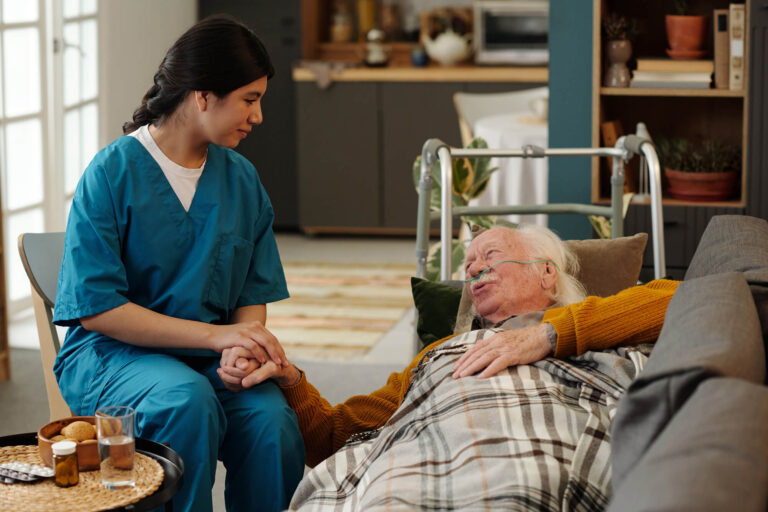


Post-surgery recovery at home is an important milestone; however, the recovery process does continue past discharge. Many patients need assistance with medication reminders, wound care, mobility, daily living activities, and scheduled appointments.
Recovery at Home is Easier
Many patients prefer to heal at home because it can be more comfortable. Your own home creates fewer barriers to daily living with the proper support. Home health care services offer assistance and professional support for patients to help them regain their strength and confidence. With guidance, patients are able to follow their care plan and manage the aftereffects from surgery.
After hospital surgery, home offers the comforts of familiarity. However, the healing process from surgery still requires the patient to remain responsible for the entire process, including the management of medications, pain, incision care, and restrictions on movement. Post-surgery home health care removes some of the burdens of the healing process. Home health care offers an array of services and a recovery care plan specific to the patient’s individual needs.
How Home Health Care Guides and Supports Recovery
Healing after surgery is a gradual process, and the care plan and support need to be individually tailored to the surgery that was performed, the patient’s age, their health status, mobility, and the specific instructions of the healing care provider.
1. Skilled Nursing at Home
Some patients need nursing care even after being discharged from the hospital. A home health nurse can be scheduled based on the patient’s care plan.
This may mean checking on the patient’s vital signs, providing routine wound care, helping the patient with certain treatments, and ensuring that the patient’s medications are correct and that the patient is monitored for any changes that may affect the patient’s health. Professional support also can bring relief to the family during the initial recovery phase of the patient.
2. Medication Support
After surgery, patients usually have multiple prescriptions, including pain medications, antibiotics, and other supportive medications. Home health professionals can explain the instructions for the home health care and ensure that the patient takes the medications as prescribed.
They also can help the patient identify concerns that need to be addressed by the health care provider. Patients should not try to change their medications on their own. This should only be done after consulting their health care provider.
3. Wound and Incision Care
Incisions require routine care to encourage healing and the prevention of potential problems. According to the patient’s care plan, skilled staff can address wound care and provide associated services. They can also provide training on the necessary care and can help the patient’s caregiver. If a patient notices unusual conditions like swelling, increasing redness, drainage, fever, or any other concerning symptoms, they should call their doctor right away.
4. Rehabilitation and Mobility Support
Surgery may affect the strength, balance, flexibility and mobility of some patients. Many patients may require rehabilitative assistance to return to their prior condition. Home health care may provide therapy and exercises when ordered and appropriate.
To demonstrate, a patient recovering from orthopedic surgery in New Jersey requires assistance with safe movement, daily tasks, exercises, and transfers as well as the ability to resume activities of daily living. Some occupations include movement, dressing, bathing, cooking, and other daily activities.
When the services are ordered and the funding is available, home-based care can help with these activities while the patient recovers and regains independence. Support of daily living tasks helps facilitate the healing process.
A New Jersey Recovery Example
Consider a New Jersey resident recovering at home from surgery to replace the knee. For the first few weeks, movement is limited. The patient needs assistance, prompting of medications, and performance of exercises. Additionally, wound care and support of movement are required.
Instead of the patient needing to arrange services by him/herself, an agency for home health care NJ can provide the necessary support. The nursing staff can evaluate the recovery and provide the necessary care. A rehabilitation professional can assist with safe movement and exercises. The family can assist without the burden of recovery management.
When Do You Need Home Health Care?
The decision for home care is based on the patient’s medical needs and the surgical recovery. Your doctor will often refer to home health care when you are in need of rehabilitation and skilled care following surgery, but require neither the hospital nor a care facility.
To determine if home health care is a good option, your doctor will ask if you are:
- Gaining self-contracted safety after surgery
- Need skilled-level wound care
- Following, understanding, and completing the rehabilitation care plan
- Have medically ordered care plan concerns
- Need observation and protection during the recovery process.
- Have challenges with ADL tasks of daily living
Healthcare professionals provide the services, and home health care determines if services are warranted.
Pre-Decided Criteria When Choosing Home Health Care Services
When deciding on a home health care service, some things must be considered.
- Care Staff
Think about the care staff’s qualifications and background.
- Custom Care
Personalized care must include the specifics of recovery and care as prescribed by the doctor.
- Communication
Involving the recovery patient’s family, the service care professional, and the health care provider to communicate recovery status and needs.
- Flexible Care
Consider what services are available and how often care professionals are available.
- Local Knowledge
Local knowledge of the community and available resources can be a positive decision aid.
Frequently Asked Questions
1. What is Post Surgery Home Health Care?
Post-surgery home health care is designed to assist patients recovering from surgery. Skilled nursing, wound care, medication, and rehabilitation home health care services, as ordered by a health care professional, may be included in post-surgical home health care.
2. Does Home Health Care Provide Care After Major Surgery?
A major surgery care recovery plan will dictate the type and extent of home health care services.
3. Does home health care include physical therapy?
It could. Certain types of home health care may include physical, occupational, or other therapy services if they are ordered by a healthcare provider and medically necessary.
4. How long will I need home health care after surgery?
Again, there is not a definitive answer. The length of time a patient might need home health care after surgery could be impacted by the surgery, the patient’s healing, the patient’s medical conditions, and their healthcare provider’s recovery plan.
5. How can I find home health care near me?
Begin by asking your doctor or your discharge team for their recommendations. You can also search for home health care providers, see what services they offer, and call to see what they can do for you and how you can get started.
Conclusion
Recovery can take a lot of work, but having the right support to assist while you rest in the comfort of your own home can make the process so much easier. Faith Home Healthcare offers the highest quality of patient-centered care. As a Home Healthcare provider in New Jersey, Faith Home Healthcare partners with families every step of the way during the recovery process. Call Faith Home Healthcare to see how we can meet your needs.