

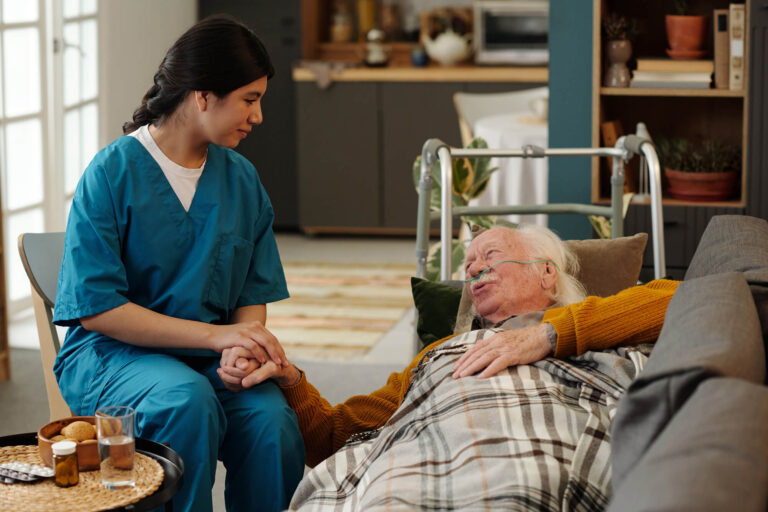


With the changing needs of care, most families start seeking services that can enable their relatives to be safe and comfortable at home. There are a number of care options, and sometimes it feels like an overwhelming task to decide what the appropriate level of assistance is.
Hourly home care and 24/7 live-in care are two most prevalent options, as both have various benefits according to the needs and situation of an individual. Learning about the differences between hourly home care vs live-in care is a significant step towards making a well-informed decision.
Understanding Hourly Home Care
Hourly home care entails a caregiver coming home to spend a predetermined number of hours per day or week. The services offered by the caregiver include personal care, preparing meals, reminding about medications, companionship, and basic housekeeping.
Flexibility is the greatest benefit of hourly care. Families are able to plan the help at particular times when their loved one requires it the most. Most of the home health care New Jersey services offer customized care plans that are adaptable to changes in need.
Benefits of Hourly Home Care
- Flexible Scheduling
Hourly care gives families the option of the precise hours when support is required. Schedules can be tailored to either the morning, afternoon or evening (depending on need of assistance).
- Cost-Effective Support
Hourly care can be affordable than full time care especially for people who only require occasional help. Families only pay by the number of hours services are offered.
- Greater Independence
Most of the seniors do not want their daily routines to be interfered with but help is provided when required. This level of independence is facilitated by hourly care.
- Family Participation
This is a good option when the family members are able to take care of the patient at specific times but require professional assistance at other times.
Understanding 24/7 Live-In Home Care
Live-in care is when a caregiver resides with the family to ensure continuous care during the day. Even though the caregivers have specific rest times, they are available to assist with day-to-day needs and emergencies. Families exploring in-home care options NJ often take into consideration live-in care whereby a loved one requires constant care or monitoring.
Benefits of Live-In Home Care
- Continuous Assistance
A live-in caregiver provides help whenever it is needed. It may be comforting to both the client and family members.
- Improved Safety
It is safe to have a caregiver around people who are at risk of falls, wandering or medical emergencies as it enhances their safety and ensures they can receive immediate help.
- Comfort of Staying at Home
Live-in care enables one to stay in a familiar environment rather than to transfer to an assisted living facility or nursing home.
- Stronger Relationships
Caregivers usually have intimate relationships with clients having spent more time together, which offer emotional support and companionship.
Comparing Hourly Home Care vs Live-In Care
In the comparison of hourly home care vs live-in care, one should pay attention to the needs of their loved one.
- Level of Care Required
Hourly care can be sufficient, when a person requires some help with several activities each day. But live-in care might be more beneficial to people who need assistance during the day.
- Safety Concerns
Individuals experiencing memory losses, difficulty in movement, or having chronic health issues might require periodic supervision. Live-in care can be more peaceful in such cases.
- Family Availability
Hourly care may be adequate when families are available to help in the care giving process. In case family members are not available because of working or distance, live-in care might be used to cover the difference.
- Budget
The price is one of the key considerations in selecting care services. Hourly care is usually cheaper when there is a limited number of hours of help required. Live-in care is costlier and provides more support.
When Hourly Home Care Is the Better Choice
Hourly care can be the best when:
- Your loved one is mostly independent.
- There are particular times of the day in which help is necessary.
- Family members can be available to offer care during off hours.
- No significant safety issues when alone.
- Care requirements are not very high.
Most home health care New Jersey service providers suggest hourly care to those requiring support but without the need to be under constant supervision.
When Live-In Care Is the Better Choice
Live-in care may be more suitable if:
- Your loved one requires help during the day.
- Falls or wandering are possible.
- Caregivers in the family are stressed or burning out.
- The patient stays alone and has to be under constant supervision.
Families opt for in-home care options NJ when they require a higher degree of support but still wish to keep their loved one at home.
Conclusion
Hourly home care vs live-in care is determined by the individual needs, health status and lifestyle of your loved one. Hourly care is flexible and inexpensive to people who require occasional help whereas live-in care is supportive and offers extra security to people who require a more intensive care. The families in need of home health care New Jersey services need to assess the two alternatives before making a decision.
FAQs
1. Is hourly home care more affordable than live-in care?
Yes, the hourly care is usually cheaper in cases when only minor help is required on a daily basis.
2. Are hourly care schedules customizable?
Care schedules are indeed customizable to offer assistance at certain hours depending on the needs.
3. Does live-in care prevent hospital visits?
Regular check-ups and support will help minimize risks that can result in unplanned visits to hospitals.
4. Is it possible to alter home care services as the needs grow?
Yes, care plans are a bit modifiable to include extra support with changing health conditions.