

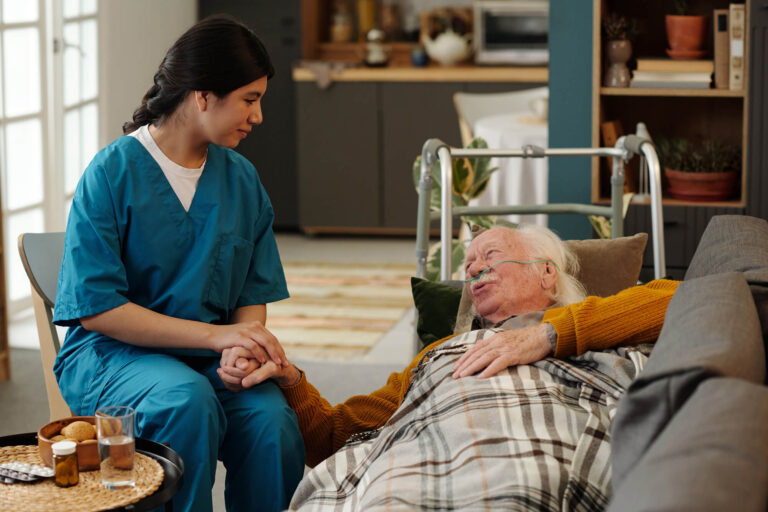


One of the most difficult emotional moments a family can face is the last phase of a loved one’s life. There are times when families need more than medical treatment. They need comfort, advice, emotional support and reassurance that they are not alone. This is where hospice care may bring a great comfort and dignity to the patients and their loved ones.
Professional care teams in New Jersey that specialize in quality of life improvement in case of serious illness can be accessed by families. Hospice can provide individuals with meaningful time to spend with their families in a supportive and peaceful atmosphere, through pain management to emotional counseling services.
Understanding the Purpose of Hospice Support
Comfort is the priority of Hospice. It is developed to meet the needs of people with life-threatening diseases for whom there is little chance of getting better when they receive treatment. Hospice care is delivered instead of strident medical interventions, with a commitment to symptom management, emotional health and personal dignity.
This healthcare can be provided in the home, assisted living, nursing home or hospice centers. It is aimed to create a calm environment in which patients will feel at ease and family members will receive guidance and support.
Emotional Support for Families During Difficult Times
Having a loved one struggle with illness can bring about feelings of fear, sadness, and exhaustion. Hospice workers assist the family in addressing these emotions by counseling them, supporting them with communication and providing grief services.
For example, when their elderly parent has heart disease and is in a critical state of care, a family in Newark, New Jersey, may feel overwhelmed with the caregiving duties. A hospice team may offer emotional counseling, the explanation of the care process, and support which will alleviate the stress of the family members.
Helping Patients Remain Comfortable at Home
Many individuals prefer to remain in familiar surroundings during the final stages of life. Hospice care makes this possible through the provision of professional care directly into the home.
Care teams often assist with:
- Pain management
- Medication monitoring
- Personal hygiene assistance
- Mobility support
- Medical equipment coordination
This will minimize unnecessary visits to hospitals and will enable people to spend quality time together.
Personalized Care Plans for Every Family
The condition and needs of each patient are unique and, this is why hospice providers develop an individual care plan. These strategies are grounded on medical requirements, emotional issues and family preference.
A patient with late-stage cancer may require pain control, whereas a patient with dementia might also need to be provided with daily care and emotional support. Care plans are adjusted as needs change over time.
Hospice professionals collaborate with physicians in communities across Jersey City, Trenton, and Princeton to offer compassionate support throughout their journey.
The Importance of Communication and Guidance
Probably one of the most difficult aspects of end-of- life care is the knowledge of what to expect. Typical questions from family members include those related to medicines, growth, development, and care.
Hospice professionals provide clear communication that helps families feel informed and prepared. The availability of caregivers also provides families with the assurance that their loved one is well taken care of in a decent manner.
Support Beyond Medical Care
Hospice also deals with emotional and spiritual well-being. Many providers offer services that support both patients and families during this difficult time.
This may include:
- Spiritual counseling
- Volunteer companionship
- Family support groups
- Bereavement follow-up after loss
Hospice organizations in many communities of New Jersey keep on helping families in the event of loss of a loved one by providing grief counseling sessions and availability of emotional support resources.
Why Families Choose Hospice Services in New Jersey
Families often choose hospice care New Jersey services because they provide compassionate care while respecting personal wishes and cultural values. Both the medical knowledge and the emotional support will contribute to a more peaceful experience for everyone involved.
The overwhelming number of families who received hospice care claim that they feel a bit less overwhelmed as they are no longer left alone to handle all difficulties. Rather, they have access to medical practitioners who are familiar with the emotional and physical aspects of end-of-life care.
Whether services are provided in a private residence, senior community, or care facility, hospice teams focus on helping patients live with dignity and comfort during their remaining time.
Conclusion
When life’s toughest moments occur, it can be overwhelming and difficult, but compassionate support can make a difference. Hospice services provide families the opportunity to put their focus on comfort, connection and emotional peace and ensure their loved ones are cared for in a loving and respectful way.
Families are still receiving hospice advice, symptom control and emotional support on their journeys toward end-of-life in New Jersey. Hospice also offers both comfort and care for patients and their families, making the experience more loving, as it is one of life’s most difficult transitions.
FAQs
1. What services are included in hospice care?
The hospice services generally involve pain management, nursing care, emotional counseling, spiritual support, medication support and family bereavement.
2. Can hospice care be provided at home?
Yes, some patients do get hospice care at home where they are able to stay in their home and have the people they know around them.
3. Who qualifies for hospice services?
The hospice is usually suggested to patients with life-limiting illnesses when curative treatment is no longer the primary focus.
4. Does hospice support family caregivers?
Yes, caregiving assistance, emotional counseling, and education are offered by hospice teams to remind the family members about the duties and stresses and how to cope with them.
5. Are bereavement services available after a loved one passes away?
The majority of hospice care providers still provide grief counseling and emotional support to families after the loss of a loved one.