

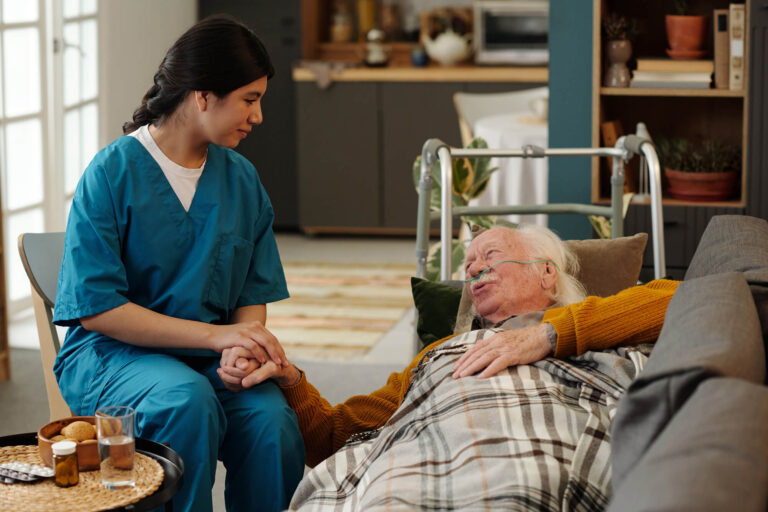


Terminal illness can be a daunting experience for both patients and families. At this stage, it is more significant to make informed care decisions. Hospice care in New Jersey provides comfort and dignity-based care. It is preferred to treat symptoms and improve the overall quality of life.
Families are guided emotionally, practically, and spiritually in the process. Knowledge of hospice services can help alleviate confusion in challenging circumstances. When planned early, there is a greater likelihood of high quality care experiences among everyone involved. This guide explains what families should know when deciding on hospice care.
Why Hospice Is About Living Better, Not Giving Up
Hospice is aimed at comfort, rather than curing advanced illnesses. It allows patients to feel dignified during their treatment. Families are provided with emotional counseling and care giving advice. Medical teams focus on pain-reduction and symptom management.
Patients are able to have quality time with their loved ones. Early hospice care in New Jersey tends to increase overall quality of life. It minimizes unnecessary hospital visits and stressful treatments. Hospice enables families to embrace every moment with assurance and calmness.
Recognizing the Right Moment for Hospice Support
When the hospice should start is one of the most frequently asked questions of families. Knowing the signs it’s time for hospice care can help families make informed decisions before a medical crisis occurs.
The most frequent signs are:
- Repeated hospitalization and emergency room visits.
- Pain or symptoms which become hard to control.
- Weight loss or an apparent loss of appetite.
- Difficulty with everyday activities such as bathing, dressing, walking.
- Several infections or frequent complications.
- A physician recommends focusing on comfort as opposed to curative treatment.
When hospice is initiated early, it is the most advantageous. Early care avails patients the opportunity to access symptom management, emotional support, and specialized services that enhance overall quality of life.
Beyond Medical Care: What Hospice Truly Provides
The question that many families ask is, what does hospice care include other than nursing visits. Hospice is an extensive care framework that assists patients and their family in various aspects.
- Expert Pain and Symptom Relief
Hospice groups treat pain and other unpleasant symptoms with personalized care strategies. This will assist patients to stay as comfortable as possible.
- Skilled Nursing and Physician Oversight
Experienced nurses monitor changes in health and coordinate care with physicians. They modify treatments to ensure that it is comfortable and dignified.
- Personal Care Assistance
Home health aides help in bathing, grooming, dressing and mobility. They are supported to encourage comfort and maintain patient autonomy.
- Emotional and Spiritual Guidance
Emotional support and spiritual care is offered by counselors and chaplains. They assist families to deal with stress and challenging choices.
- Medical Equipment and Essential Supplies
Hospice provides equipment such as hospital beds, oxygen and wheelchairs. Medical supplies and medications are offered as needed.
- Caregiver Education and Family Support
Caregivers are provided with practical advice on how to care and manage symptoms on a daily basis. Continued encouragement creates faith in difficult times.
- Bereavement Services
Grief counseling is an ongoing activity that goes on after the death of a loved one. Families are granted with caring assistance to go through the healing process.
The Advantages of Choosing Hospice Earlier
Early hospice care provides patients with additional time to receive personalized care. Symptoms such as pain and discomfort can be treated before they escalate. Families are guided in a way that minimises stress and uncertainty. The availability of emotional and spiritual support is much earlier.
Early care usually assists in avoiding unnecessary hospitalizations and emergency cases. Patients are able to stay in a familiar environment where they feel more comfortable and dignified. Early selection of hospice care in New Jersey enhances communication between family and healthcare professionals. This proactive measure improves the quality of life to all concerned.
A Practical Guide to Finding the Right Hospice Provider
Knowing how to choose a hospice provider NJ is crucial since all hospice organizations do not offer the same care and services.
Following are some of the key considerations:
- Confirm Licensing and Accreditation
Select a Medicare certified and a state licensed hospice service provider. This assures that they comply with quality, safety, and care standards.
- Evaluate Clinical Experience
Find providers who have years of hospice experience. Experienced teams have more opportunities to deal with complicated symptoms and patient requirements.
- Review the Range of Services
Choose a hospice provider that offers full scale hospice services. These must involve nursing, personal care, counseling and bereavement support.
- Ensure 24/7 Availability
Health issues may occur anytime. A 24/7 provider means that they will be able to help them in case of emergencies.
- Read Reviews and Ask for Recommendations
Look at online reviews and patient testimonials, before making any decision. Physicians or friends could give great recommendations.
- Choose a Provider Who Listens
Select a provider that speaks in a comprehensible and patient way. Families feel informed and assisted due to constant changes and open communication.
Conclusion
Selecting hospice care in New Jersey assists in offering comfort, support, and dignity at the time when it is most needed. Family members receive helpful tips along the way of care giving. Planning ahead will help to enhance the quality of life and save needless stress. With the right hospice provider, patients and loved ones will have more peace during this critical phase of care.
FAQs
1. Is it possible to obtain hospice care at home?
Yes, hospice care is usually offered at home where maximum comfort will be gained. It may be provided in nursing homes, assisted living facilities or in hospice centers.
2. Does hospice care get covered by insurance?
Medicare, Medicaid and private insurance programs cover a variety of hospices. The coverage varies depending on the eligibility and the particular insurance policy of an individual.
3. What are questions I ought to ask prior to selecting a hospice provider?
Inquire on licensing, experience, services offered, emergency services, and resources to the caregivers. Good communication and understanding care are other important factors to be considered.