

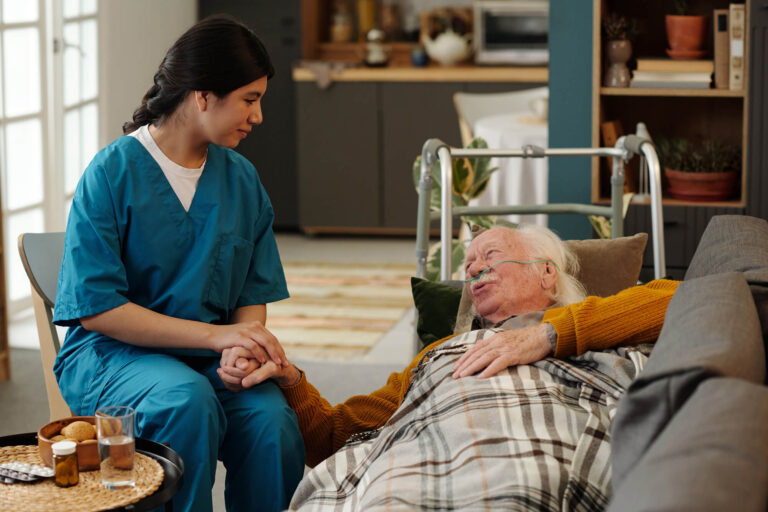


When a family member is suffering a life-limiting condition, there comes a time when family members may be questioned about what kind of care will help to comfort, provide dignity, and support them. Hospice care aims at enhancing life as opposed to curing a disease. It provides sensitive physical, emotional, and spiritual treatment for patients and assists their families through one of the most difficult periods in their lives.
The hospice care New Jersey providers assist patients in obtaining personalized care wherever they feel most comfortable, be it at home, an assisted living community, or in different care settings across the state. It can be helpful to know what hospice care services involve to make informed choices and provide the loved ones with the comfort and appreciation they need.
What Is Hospice Care?
Hospice care refers to specialized healthcare that is offered to the terminally ill who are no longer interested in curative care. Rather, it becomes oriented towards pain relief, managing the symptoms, emotional wellness, and upholding the highest quality of life possible.
In contrast to conventional medical care, hospice care is holistic, and the approach considers physical, emotional, social, and spiritual requirements. A multidisciplinary team where patients, delivering personalized care, respecting the wishes and goals of the patient.
One of the reasons to select Hospice Care NJ is that loved ones are able to stay at home, in a comfortable environment, and be provided with effective and professional care.
Pain and Symptom Management
Effective pain and symptom management is one of the major services provided by the hospice care services. The hospice team closely cooperates with physicians in helping to manage the symptoms, including:
- Chronic pain
- Shortness of breath
- Fatigue
- Nausea and vomiting
- Anxiety
- Difficulty sleeping
- Loss of appetite
Skilled Nursing Care
Registered nurses play a central role in Hospice Care New Jersey by monitoring patients and providing ongoing medical support.
Nursing services often include:
- Health assessments
- Medication administration
- Wound care
- Symptom monitoring
- Coordination with physicians
- Education for family caregivers
Personal Care Assistance
As illnesses progress, everyday activities may become more difficult. Hospice aides help patients maintain dignity while assisting with personal care.
Services commonly include:
- Bathing
- Dressing
- Grooming
- Toileting assistance
- Mobility support
- Changing bed linens
- Basic hygiene care
Emotional and Spiritual Support
A severe disease is not just a matter of physical health. Patients and their loved ones tend to undergo emotional stress, grief, and uncertainty. Hospice care involves emotional support counseling that is done by well-trained employees such as social workers, counselors, and even chaplains.
Support may involve:
- Individual counseling
- Family meetings
- Spiritual guidance
- Grief preparation
- Emotional reassurance
- Advance care planning discussions
Family Education and Caregiver Support
Families are an essential part of the hospice team. The hospice care services assist the caregivers by making them confident through education and practical advice.
Hospice personnel educate families on how to:
- Administer medications
- Monitor symptoms
- Assist with daily care
- Respond to emergencies
- Improve patient comfort
- Understand disease progression
In-Home Hospice Care
In-home hospice care is preferred by a lot of people as they are able to spend time with the family, with the belongings that they know well, and with beautiful memories. To illustrate, families across New Jersey usually prefer Hospice Services in New Jersey so they can comfortably remain at home while nurses, aides, social workers, and other hospice practitioners make frequent visits. Home-based care is likely to enhance feelings and remain independent in most cases.
24/7 Hospice Care Support
Health concerns can arise at any hour, which is why many 24/7 hospice care providers offer around-the-clock access to professional assistance.
Families can receive support through:
- Emergency phone assistance
- On-call nurses
- Urgent symptom management
- Medication guidance
- Crisis intervention
- Care coordination
Palliative and Hospice Care: What’s the Difference?
Palliative and hospice care are often mistaken by many individuals; nevertheless, these two areas have certain differences.
Palliative care does not require the cessation of incurable treatments; it only starts at any of the stages of an acute disease.
Hospice care is advised when treatment is no longer aimed at curing the disease and the expectancy of life (Generally 6 months or less as judged by a doctor). The focus is on comfort, dignity, and quality of life.
The two strategies focus on the relief of symptoms, yet, hospice is more holistic in terms of end of life.
Choosing the Right Hospice Care Provider
Selecting a trusted hospice care provider is one of the most important decisions families can make.
Look for providers that offer:
- Experienced interdisciplinary care teams
- Personalized care plans
- Licensed nurses and hospice aides
- Emotional and spiritual counseling
- 24/7 support availability
- Family education
- Bereavement services
- Strong communication with physicians
A caring provider will be keen on addressing the medical needs of the patient, as well as emotional needs of the family.
Conclusion
Choosing hospice care is about ensuring comfort, dignity, and compassionate support during one of life’s most meaningful stages. From pain management and skilled nursing to in-home hospice care, emotional counseling, and family education, comprehensive Hospice Care New Jersey services help patients live with greater comfort while supporting those who care for them. By partnering with an experienced hospice care provider, families can focus on spending quality time together while knowing their loved one is receiving personalized, respectful care.
Frequently Asked Questions
1. What services are included in hospice care?
Hospice care services typically include pain management, skilled nursing, personal care, medication management, emotional support, spiritual counseling, caregiver education, and bereavement services.
2. Who qualifies for hospice care?
Patients diagnosed with a terminal illness and a physician-certified life expectancy of approximately six months or less may qualify for hospice care.
3. Can hospice care be provided at home?
Yes. Many families choose in-home hospice care, allowing patients to remain comfortable in familiar surroundings while receiving professional medical and personal support.
4. What is the difference between palliative and hospice care?
Palliative care can be provided during any stage of a serious illness alongside treatment, while hospice care focuses on comfort after curative treatment has ended.
5. Does Hospice Care NJ provide 24-hour support?
Many Hospice Care NJ providers offer 24/7 phone support and on-call clinical assistance to help patients and families manage urgent concerns.
6. How do I choose the right hospice care provider?
Look for a licensed provider with experienced healthcare professionals, personalized care plans, strong family communication, and comprehensive support services, including bereavement care and 24/7 availability.