

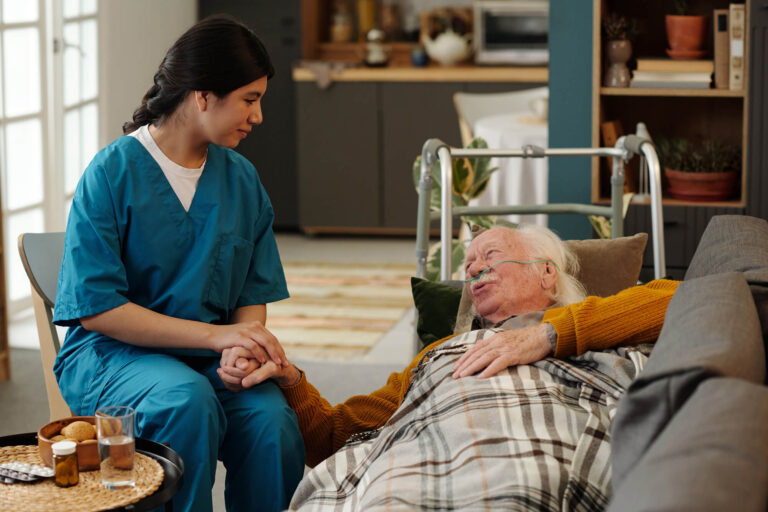


Start of Care Coordination & First Visit Readiness

Start of Care Coordination & First Visit Readiness: The Complete Guide
The referral to active care process is among the most significant steps in the care process when a patient is admitted to home care or hospice services. Effective care coordination and preparation during the first visit can contribute to patients getting the necessary support in time, families feeling educated, and healthcare teams starting to offer personalized care without wasting time. This guide describes the process that occurs when the care process begins, care coordination, and preparation of the first visit by patients and families.
Table of Content
- Definition & Purpose of Start of Care Coordination
- Understanding Care Transition Goals & Expectations
- What Start of Care Coordination Means
- Who Is Involved & When Coordination Begins
- Start of Care Coordination Breakdown
- The Four Stages of Start of Care Coordination
- How the First Visit Readiness Process Works
- Supporting Families & Caregivers
- Costs, Coverage & Service Preparation
- First Visit Readiness Checklist
- FAQs
Definition & Purpose of Start of Care Coordination
Wondering what happens when a referral has been accepted? Are you confused about what to expect for the first home care or hospice visit? Do you attempt to prepare your loved one and family members to the start of services?
Start of care coordination refers to the process of coordinating all clinical, administration and care giving activities required prior to commencement of services. It guarantees alignment of healthcare providers, caregivers, patients, and family members about the goals of care, expectations, and support needs.
Care coordination is meant to provide a seamless transition into services and minimize confusion and make sure that valuable medical information is accessible to the care team. Good coordination can be used to avoid delays, enhance communication, and enable patients to start getting the relevant support as soon as possible.
Learning about the beginning of the care process can make families more confident and prepared and the first visit effective, informative, and patient-centered.
Understanding Care Transition Goals & Expectations
The initiation of home care or hospice care usually comes with relief, uncertainty and questions. Families might be concerned on who will visit, what will be discussed, and how care will be given in the future.
Knowledge of care transition goals assists patients and caregivers to know what to expect in this critical period. The initial visit aims at building trust, evaluating needs and developing an effective plan of further assistance.
Patients and families often hope to achieve goals such as
- Receiving care as quickly as possible
- Understanding available services and support
- Managing symptoms and health concerns effectively
- Creating a personalized care plan
- Improving communication with healthcare providers
- Reducing stress and uncertainty about care
Lack of clear discussion of expectations at the start will lead to more patients and families feeling comfortable and engaged in the care process.
Care coordination teams assist in facilitating such conversations and making sure that all involved are aware of what should be done next.
What Start of Care Coordination Means
Start of care coordination can be defined as those activities that are done between the acceptance of referrals and the initial visit to the patient.
This process assists in making sure that the healthcare team has all the correct information, documentation, and a clear picture of the condition of the patient prior to the start of services.
Start of care coordination may include
- Reviewing referral documentation
- Verifying patient information
- Confirming physician orders
- Scheduling the first visit
- Coordinating clinical staff assignments
- Reviewing medications and diagnoses
- Preparing care plans
- Communicating with patients and families
Successful coordination forms a strong basis to continue care and assists in making sure that services are initiated smoothly and efficiently.
Who Is Involved & When Coordination Begins
Care coordination starts as soon as a referral is accepted and lasts all the way to the admission.
The coordination is particularly crucial when
- Patients are transitioning from a hospital or facility
- Home care services are beginning
- Hospice admission has been approved
- Multiple healthcare providers are involved
- Medication management is required
- Specialized equipment is needed at home
- Family caregivers require education and support
- Care plans must be developed quickly
Individuals commonly involved in care coordination include
- Physicians
- Nurses
- Care coordinators
- Social workers
- Therapists
- Patients and family members
- Hospice or home care administrators
- Referral sources and discharge planners
Effective coordination is a way of making sure that everyone collaborates to help a successful initiation of care.
Start of Care Coordination Breakdown
The initiation of care process entails a number of key steps that aim at equipping patients, families and healthcare teams to deliver services successfully.
Core start of care coordination activities typically include
Referral & Documentation Review
Prior to the commencement of the services, healthcare teams read referral information, medical records, diagnoses, physician orders, and supporting documentation.
Patient Information Verification
Contact details, emergency contacts, insurance and demographic details are checked to ensure that they are correct.
Scheduling the First Visit
The initial appointment will be made at an opportune time and clinical need and service demands met in time.
Clinical Team Assignment
Appropriate nurses, therapists, social workers, or care providers are assigned based on patient needs and service requirements.
Medication & Medical History Review
Current medications, allergies, diagnoses, and treatment plans are reviewed before the initial visit.
Care Plan Preparation
Healthcare teams begin developing an individualized care plan based on referral information and anticipated needs.
Family Communication & Education
Patients and families receive information regarding services, expectations, and preparations for the first visit.
Equipment & Resource Coordination
Any required medical equipment, supplies, or support services are arranged before care begins whenever possible.
The Four Stages of Start of Care Coordination
To ensure services begin efficiently and safely, care coordination generally follows several structured stages.
Step 1 – Referral Acceptance
The referral is reviewed, accepted, and entered into the care coordination process
Step 2 – Information Gathering & Planning
Healthcare teams collect documentation, verify patient information, and prepare for service delivery.
Step 3 – Scheduling & Coordination
Clinical staff, visits, equipment, and resources are coordinated to support patient needs.
Step 4 – First Visit & Care Initiation
The first visit takes place, assessments are completed, and the ongoing care plan is established.
How the First Visit Readiness Process Works
The first visit is designed to help patients and families understand services while allowing healthcare providers to evaluate needs and establish care plans.
Step 1: Appointment Confirmation
The care team contacts the patient or family to confirm the visit date, time, and location.
Step 2: Preparation & Documentation Review
Healthcare providers review medical records, physician orders, medications, and referral information before arrival.
Step 3: Initial Patient Assessment
The clinician evaluates the patient’s physical condition, symptoms, safety concerns, and overall care needs.
Step 4: Care Plan Discussion
Patients and families discuss goals, concerns, preferences, and expectations for ongoing services.
Step 5: Education & Resource Review
The care team provides education regarding medications, symptoms, safety measures, and available support resources.
Step 6: Service Initiation & Follow-Up Planning
Care begins, future visits are scheduled, and next steps are communicated to patients and caregivers.
Supporting Families & Caregivers
The start of care services may be daunting to families and caregivers, particularly when having to deal with severe illness or substantial care requirements.
Emotional and Educational Support
Healthcare teams are reassuring, provide answers, and clarify what to expect in the future (patients and caregivers).
Caregiver Preparation Assistance
Families are also provided with instructions on the routines of care, symptom management, communication, and the support services available.
Practical Guidance
The patients and caregivers are also helped with paperwork, medications, appointments, and equipment preparation.
Ongoing Communication
Care teams remain available to address concerns, provide updates, and ensure families feel supported throughout the transition process.
Costs, Coverage & Service Preparation
Many start of care coordination activities are included within standard admission and care planning services.
Coverage may involve
- Medicare benefits
- Medicaid programs
- Private insurance plans
- Hospice-related services
- Home health care programs
Preparation activities may include
- Admission coordination
- Clinical assessments
- Care planning services
- Medication review
- Equipment coordination
- Caregiver education
Understanding coverage and preparation requirements helps families avoid surprises and supports a smoother transition into care.
First Visit Readiness Checklist
Preparing for the first visit can help ensure a productive and efficient care experience. Families should consider
- Having current medications available
- Gathering insurance information
- Preparing physician contact details
- Listing current symptoms and concerns
- Identifying emergency contacts
- Preparing medical records if requested
- Making note of care goals and preferences
- Writing down questions for the care team
Ask questions such as
- What will happen during the first visit?
- Who will be part of the care team?
- How often will visits occur?
- What information should be available before the appointment?
FAQs
What does start of care coordination mean?
It is a term used to describe the planning, communication and preparation procedures that take place prior to the commencement of home care or hospice services.
What happens during the first visit?
The care team examines the patient and evaluates medical requirements, talks through objectives, and creates a tailored care plan.
How soon does the first visit occur after admission?
The timing depends on the needs of the patient, the urgency of the referral and access to the services; however, visits are usually booked as soon as possible.
Who attends the first visit?
The patient, family members or caregivers, and a healthcare professional such as a nurse or care coordinator are commonly involved.
How can families prepare for the first visit?
It is best to have medications, insurance details, medical records, emergency contacts and a list of questions to make the visit more effective.
Blogs