

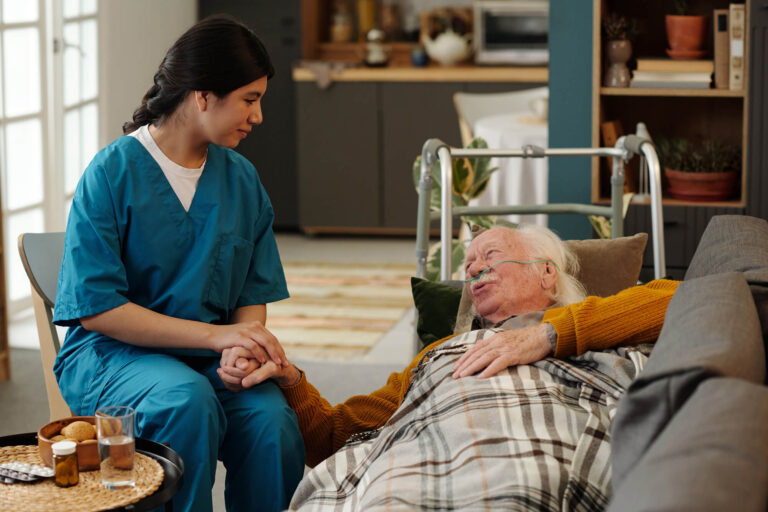


Pain Management & Comfort-Care Standard

Pain Management & Comfort-Care Standards: The Complete Guide
Comfort is one of the most crucial things when a loved one is living with a serious illness or in hospice care. Learning about pain management and standards of comfort care can guide families to guarantee that the patient obtains compassionate support aimed at relief, dignity, and quality of life. This guide describes the management of pain and symptoms, the standards of comfort care, and how supportive care can make patients feel physically and emotionally comfortable.
Table of Content
- Definition & Purpose of Pain Management & Comfort Care
- Understanding Comfort Goals & Symptom Relief
- What Pain Management & Comfort-Care Standards Mean
- Who Benefits & When Comfort Care Is Needed
- Pain Management & Comfort-Care Breakdown
- The Four Stages of Comfort-Care Review
- How Pain Management & Comfort Care Works
- Supporting Families & Caregivers
- Costs, Coverage & Care Settings
- Choosing the Right Comfort-Care Provider
- FAQs
Definition & Purpose of Pain Management & Comfort Care
Do you fear that your loved one is in pain, discomfort, anxiety or emotional distress due to a serious illness? Are you confused about how to cope with the symptoms and still retain dignity and comfort?
The standards of pain management and comfort care are aimed at minimizing suffering and enhancing the quality of life of patients with serious and life-limiting diseases. These standards are aimed at treating physical pain, dealing with challenging symptoms, and helping emotional, psychological, and spiritual well-being.
Comfort-oriented care does not deal with curing illness. Rather, it focuses more on the alleviation of pain, stress, and discomfort to enable patients to enjoy more peace and comfort in care.
Proper pain management will enable the patient to be as comfortable as possible and as independent as possible as well as minimise unnecessary pain. The standards of comfort-care are also an assurance that the family will be assured that their loved one is getting compassionate and respectful care at all levels of care.
Knowing these standards will enable families to make sound choices without sacrificing care based on dignity, relief, and emotional health.
Understanding Comfort Goals & Symptom Relief
Treatment of serious illnesses may entail more than physical pain. Patients can have emotional distress, difficulties breathing, fatigue, anxiety, nausea, or sleep disturbances, which impact everyday comfort and quality of life.
Comprehending the aim of comfort-care implies that the treatment should aim at enhancing overall well-being and not merely by aggressively treating the symptoms of the illnesses.
Patients might appreciate various comfort objectives, including
- Relief from pain and discomfort
- Better sleep and reduced anxiety
- Emotional and spiritual peace
- Ability to remain at home comfortably
- Reduced breathing difficulties or nausea
- Spending meaningful time with loved ones
When comfort goals are clearly discussed, healthcare teams can create care plans that align with the patient’s wishes and individual needs.
Pain management and comfort-care teams work closely with families to ensure symptoms are controlled while maintaining dignity, compassion, and emotional support.
What Pain Management & Comfort-Care Standards Mean
Comfort-care standards and pain management are medical, emotional, and supportive practices designed to enhance comfort and minimize suffering of the seriously ill patients.
The standards help medical workers to evaluate the symptoms, deal with the pain safely and offer caring support that enhances the quality of life.
Pain and comfort management may involve
- Medication management for pain relief
- Symptom monitoring and treatment adjustments
- Emotional and psychological support
- Breathing and anxiety management techniques
- Nutritional and hydration support
- Spiritual and supportive care services
The standards of comfort care emphasize patient-centered, respectful, and responsive care based on the changes in physical and emotional needs. The standards also assist families on what to expect as patients are given the same and caring attention.
Who Benefits & When Comfort Care Is Needed
The management of pain and comfort-centered care is particularly essential in cases where severe illnesses start to influence the comfort of the day, emotional condition, and physical activity.
Comfort care may be needed when
- Pain becomes difficult to control
- Symptoms continue despite treatment
- Anxiety or emotional distress increases
- Sleeping or resting becomes difficult
- Breathing problems or discomfort worsen
- Daily activities become exhausting or painful
- Patients experience advanced illness progression
- Families wish to prioritize comfort and dignity
Patients who may benefit from comfort-care services include those with
- Cancer
- Advanced heart disease
- Chronic lung disease such as COPD
- Neurological disorders
- Kidney or liver failure
- Dementia or Alzheimer’s disease
Signs that stronger pain management and comfort care may be needed include
- Persistent pain or discomfort
- Restlessness or agitation
- Difficulty breathing
- Severe fatigue or weakness
- Nausea or appetite loss
- Emotional withdrawal or anxiety
- Difficulty sleeping or resting comfortably
Early comfort-focused care can improve quality of life while helping patients and families feel more supported during difficult stages of illness.
Pain Management & Comfort-Care Breakdown
Pain management and comfort care involve a comprehensive approach that focuses on physical, emotional, and supportive care needs.
Core pain management and comfort-care standards typically include
Pain Assessment & Monitoring
Medical personnel constantly examine pain levels, symptoms, and discomfort to be able to provide patients with relief on time and effectively.
Medication Management
Painkillers and symptom-management drugs are well administered so as to enhance comfort and reduce unnecessary side effects.
Symptom Relief Support
The symptoms that are managed with the help of care teams are nausea, breathlessness, anxiety, fatigue, insomnia, and emotional distress.
Emotional & Psychological Support
Families and patients are given emotional guidance, counseling and reassurance to lessen fear, stress and anxiety in care.
Comfort-Focused Personal Care
Hygiene, positioning, mobility, and daily care routines assistance can be used to enhance the comfort and dignity of the patients.
Breathing & Relaxation Support
The supportive therapies and relaxation techniques offered by care providers are aimed at reducing the difficulties in breathing and physical pain.
Spiritual & Emotional Care
Spiritual counseling, emotional counseling, and compassionate care may be offered to patients and their families based on personal beliefs and values.
Ongoing Comfort Adjustments
The care plans and treatment are modified periodically depending on the shifts in the symptoms, pain, and patient comfort requirements.
The Four Stages of Comfort-Care Review
To provide patients with a regularized support that is based on comfort, the standards of pain management and care are audited in multiple significant steps
Step 1 – Initial Symptom Assessment
Medical workers assess pain levels, symptoms, emotional distress and general comfort needs.
Step 2 – Personalized Comfort Planning
A comfort-focused care plan is developed based on patient symptoms, preferences, and quality-of-life goals.
Step 3 – Active Symptom Management
Pain relief treatments, supportive therapies, and emotional care services are provided and monitored regularly.
Step 4 – Ongoing Reassessment & Adjustment
The symptoms and the level of comfort is checked regularly to ensure that care plans are changed accordingly as the needs of patients change.
How Pain Management & Comfort Care Works
The pain management and comfort-care process is designed to ensure patients receive compassionate, responsive, and individualized support
Step 1: Pain & Symptom Evaluation
Healthcare providers assess pain severity, symptoms, emotional concerns, and physical discomfort affecting quality of life.
Step 2: Care Planning & Goal Setting
Care teams work with patients and families to establish comfort goals and develop personalized symptom-management plans.
Step 3: Medication & Treatment Support
Medications and supportive therapies are provided to reduce pain, discomfort, anxiety, breathing difficulties, and other symptoms.
Step 4: Emotional & Supportive Care
Patients and families receive emotional guidance, counseling, and compassionate support throughout the care process.
Step 5: Ongoing Monitoring & Adjustment
Healthcare teams regularly monitor symptoms and adjust treatments to ensure continued comfort and symptom relief.
Step 6: Continued Comfort-Focused Support
Care continues evolving based on patient needs, ensuring dignity, peace, and quality of life remain central priorities.
Supporting Families & Caregivers
Families and caregivers may become emotionally overwhelming when they see their loved one suffering or feeling pain. Comfort-care teams assist families to feel supported, informed, and reassured along the care journey.
Emotional and Educational Support
Healthcare teams inform families on pain management, changes in symptoms, and comfort-care strategies and provide emotional support and counsel.
Respite Care
Temporary caregiver support services enable families to relax without worry that patients have been left without compassionate and professional services.
Bereavement and Emotional Counseling
Counseling services assist the families to manage emotional stress, anticipatory grief, and difficulties of severe illness and loss.
Practical Guidance
Care teams help families to manage medication regimens, comfort measures, symptom management and significant care choices.
Costs, Coverage & Care Settings
Pain management and comfort-care services are often included within hospice or palliative care coverage plans depending on patient eligibility.
Services may be covered through
- Medicare Hospice Benefit
- Medicaid
- Private insurance plans
- Palliative care programs
Coverage may include
- Pain medications
- Nursing care
- Medical equipment
- Counseling services
- Emotional and spiritual support
- Symptom-management treatments
Comfort-care services may be provided in
- Private homes
- Hospice facilities
- Hospitals
- Assisted living communities
- Nursing care facilities
Understanding available coverage helps families focus more on comfort and support rather than financial concerns.
Choosing the Right Comfort-Care Provider
Selecting the right provider is important for ensuring quality pain management and compassionate support.
Families should consider
- Experience managing serious illness symptoms
- Availability of 24/7 support services
- Communication and compassion standards
- Pain management approaches
- Emotional and caregiver support services
- Personalized care planning practices
- Patient and family reviews
- Responsiveness during emergencies
Ask questions such as
- How do you assess and manage pain?
- What support is available for emotional distress?
- How quickly are symptoms addressed during emergencies?
- How are care plans adjusted when symptoms change?
FAQs
What is the goal of pain management and comfort care?
The goal is to reduce pain, manage symptoms, improve comfort, and support emotional and physical well-being.
Can comfort care help with symptoms other than pain?
Yes, comfort care also helps manage anxiety, nausea, breathing difficulties, fatigue, insomnia, and emotional distress.
Who provides pain management and comfort-care services?
Physicians, nurses, caregivers, counselors, and support specialists work together to provide comfort-focused care.
How often are pain management plans reviewed?
Care plans are reviewed regularly and adjusted based on changes in symptoms, pain levels, and patient needs.
Can comfort care be provided at home?
Yes, many pain management and comfort-care services can be provided in the patient’s home or other care settings.
Blogs