

For adults with disabilities, independence generally starts with learning practical life skills and building confidence in everyday routines. Specialized support programs are helping people around New Jersey to improve communication, social interaction and self-care and increase community participation.
A structured day habilitation service focuses on helping adults build the skills they need to live more independently in their homes and in their communities. Participants are supported to develop emotionally, socially and practically through guided activities and tailored support.
Building everyday living skills
Learning basic skills for everyday life is a crucial step towards becoming an independent learner. A good number of people who are disabled require practical guidance to enable them to face everyday life in a more confident manner.
Programs often include training in:
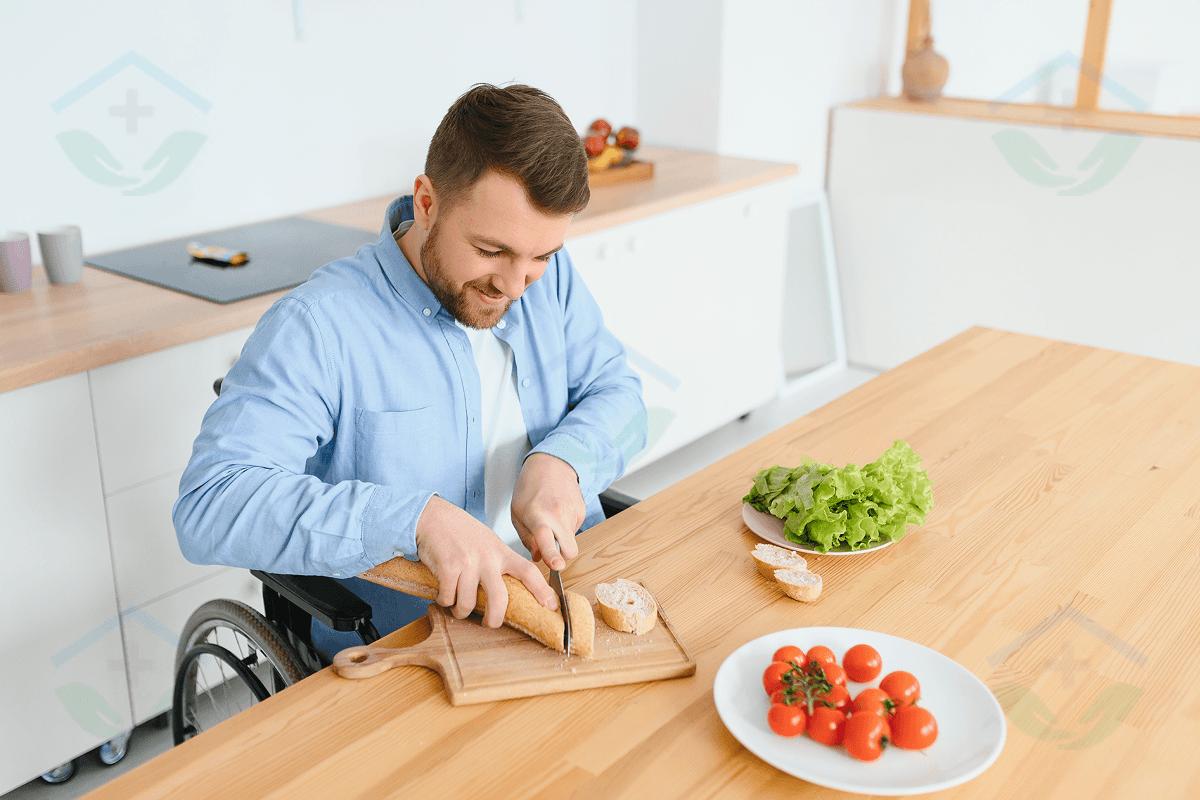
- Meal preparation
- Personal hygiene
- Household cleaning
- Budgeting and money management
- Communication skills
- Public transportation use
These activities provide individuals greater confidence in carrying out daily tasks on their own. Regular practice over time builds confidence and enables people to participate more actively in their everyday lives.
Support professionals implement simple and engaging teaching methods which can be more effective and easier when applied to real-world situations.
Encouraging social interaction
Social connection is a key component of emotional well-being and independence. Adults with disabilities may feel isolated when they leave school-based support systems making community engagement especially valuable.
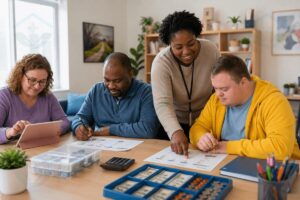
An effective adult day habilitation helps people to make friends, engage with their peers, and to participate in group activities. Recreational activities, team-building exercises, and community outings offer opportunity to improve communication and social skills in natural environments.
Programs may include:
- Visits to parks and libraries
- Art and music activities
- Fitness and wellness sessions
- Community events
- Volunteer opportunities
Community-based activities are also helping adults in areas such as Newark and Trenton feel more comfortable in public spaces and to increase confidence in social situations.
Personalized support for individual growth
We all have various abilities, hobbies and goals. This is the reason why many providers build individualized learning plans that are based on the developmental needs of each participant.
A well-designed day habilitation program focuses on helping individuals make progress at their own pace. Some participants may be working on communication skills, others may be working on behavior development, social confidence, or independent living tasks.
The tailored support helps people stay motivated and involved, and enables them to achieve realistic goals in a friendly environment. Many programs also incorporate regular routines and adaptive learning strategies to help make exercises easier to grasp and follow.
Creating confidence through routine
Being consistent and structured can do a lot of good to make persons with disabilities feel safe and independent. The members of the groups are given a timetable they are to follow on a daily basis which promotes emotional control and self-development.
Programs often provide:
- Structured daily schedules
- Goal-focused activities
- Positive reinforcement
- Supervised learning environments
- Safe opportunities for social interaction
The more people become familiar with routines, the more confident they seem to be about making decisions and doing their obligations on their own. Even little things like cooking a meal or doing a task without help can build self-esteem and lead to increased independence over time.
Vocational and workplace skill development
For many adults, developing skills that prepare them for volunteer work or employment prospects is beneficial. Some programs offer vocational activities that assist participants in developing workplace habits and responsibilities.
Training may include:
- Time management
- Teamwork
- Workplace communication
- Computer basics
- Task organization
These activities serve to develop responsibility and the formation of routines, and help people to develop confidence in what they can do. Several providers in New Jersey also engage with local groups to give real world experience for vocational development and community involvement. Even if the goal isn’t full-time employment, vocational learning can however boost independence and daily functioning.
Supporting families and caregivers
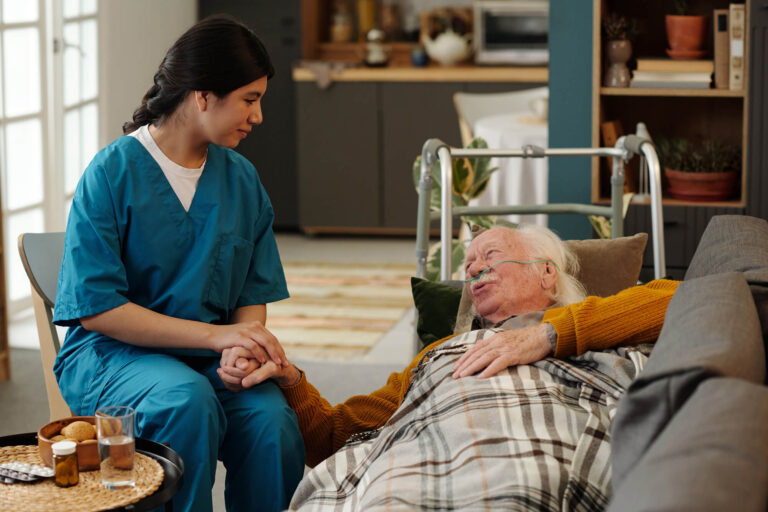
These programs also provide critical assistance to families and caregivers. Taking care of an adult with disabilities may be physically and emotionally stressful, while you’re balancing between work and family responsibilities.
Structured services provide peace of mind for families by providing a safe and engaging environment during the day. Caregivers typically see good changes in communication, behavior, and confidence when their loved ones regularly participate in support programs.
Also, as individuals become more independent and able to do some of the daily tasks on their own, families might benefit from less stress.
Long-term benefits of skill development
Life-skills training and community participation programs can help provide long-term benefits in overall quality of life. Participants often grow more confident, socially active and emotionally secure over time.
Long-term benefits may include:
- Greater self-confidence
- Improved communication skills
- Increased independence at home
- Better social relationships
- Stronger community involvement
- Enhanced emotional well-being
Day habilitation New Jersey programs continue to provide services to assist persons with disabilities in establishing meaningful routines while encouraging dignity, inclusion, and personal growth.
Conclusion
Programs which focus on developing life skills offer essential assistance to persons with disabilities desiring to live more independent and meaningful lives. Structured learning, personalized guidance and community participation help participants develop the skills and confidence they need to succeed in daily life.
These services continue to empower individuals across New Jersey by assisting them in enhancing practical skills, increasing social contact, and engaging more fully in their communities.
FAQs
1. What is day habilitation?
Day habilitation is an organized program where persons with disabilities are engaged in social, communicative and independent living, through supervised activities.
2. Who can join these programs in New Jersey?
Adults with intellectual or developmental disabilities who qualify for support services may be eligible through state agencies or private providers.
3. How do these programs improve independence?
The participants learn skills that would be useful in their day to day lives including cooking, budgeting, communication, hygiene and transportation, to make them more self reliant.
4. Are community activities included?
Yes. Many programs include outings, recreational activities, volunteer opportunities and social events that build community involvement.
5. Can these services help with employment preparation?
Some programs include vocational training and workplace skills training to help persons prepare for volunteer or employment opportunities.