

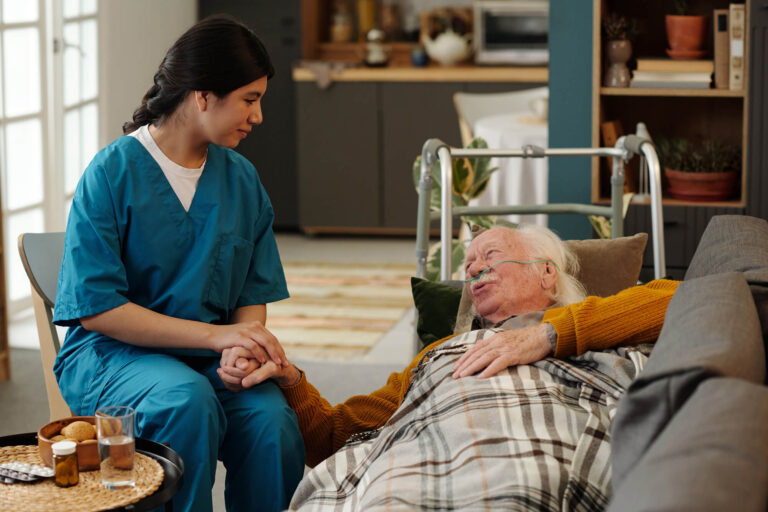


Training Expectations for DSPs
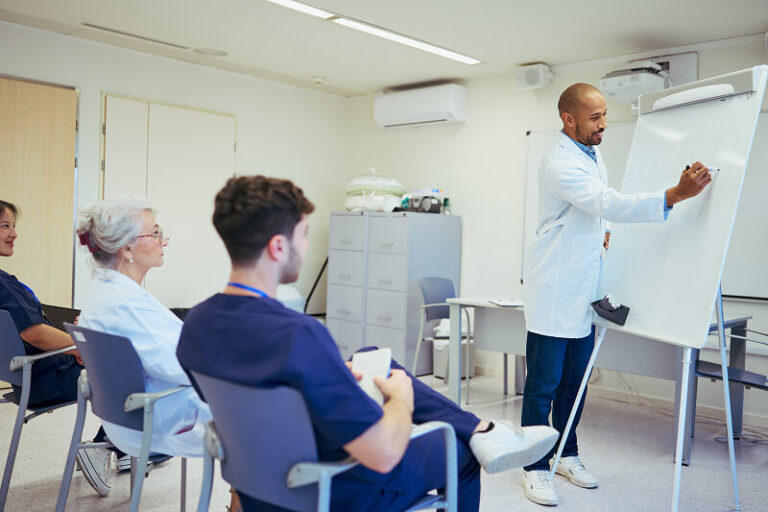
Training Expectations for DSPs: The Complete Guide
Direct Support Professionals (DSPs) are crucial to the assistance of individuals with developmental and intellectual disabilities to live safe, independent, and fulfilling lives. Effective training provides person-centered care and confidence to meet the needs of DSPs through knowledge, expertise, and competence in delivering services with dignity, safety, and the inclusion of the community. This guide outlines the training expectations of the DSPs, the core competencies, and the best practices of providing high quality delivery of support services.
Table of Content
- Definition & Purpose of DSP Training
- Understanding the Role of a Direct Support Professional
- What DSP Training Means
- Who Needs DSP Training & When It Is Required
- DSP Training Breakdown
- The Four Stages of DSP Training
- How DSP Training Works
- Supporting DSPs for Long-Term Success
- Training Requirements & Learning Environments
- Building a Strong Foundation as a DSP
- FAQs
Definition & Purpose of DSP Training
Are you beginning your role as a Direct Support Professional? Do you want to know what is required of you in terms of responsibility and skill in quality support-giving? Is it that you would like to develop confidence when providing person-centered care?
Direct Support Professional training equips the staff with the skills to assist people with developmental and intellectual disabilities in a safe, respectful, and effective manner. It gives the information and practical skills that are required to help assist in everyday life, facilitate self-sufficiency, community involvement, and even adequate response to evolving support needs.
DSP training does not solely aim at compliance but also to produce caring professionals who uphold the respect of individual rights, inclusivity, and deliver quality and consistent care. Developed DSPs will help people achieve a positive result and establish secure, favorable, and empowering surroundings.
This awareness of training expectations will enable DSPs to develop professional confidence and offer services, which resonate with the person-centered values and best practices.
Understanding the Role of a Direct Support Professional
DSPs do much more than assist with daily activities. They encourage independence, promote personal growth, advocate for individual rights, and help people participate fully in their communities. Every individual has different goals, abilities, and support needs, which means DSPs must adapt their approach while respecting personal preferences and encouraging informed choices.
DSPs are expected to help individuals
- Build independence and confidence
- Develop everyday life skills
- Participate in community activities
- Improve communication and social skills
- Maintain health and personal safety
- Achieve individual goals
Through ongoing learning and practical experience, DSPs become trusted partners in helping individuals live meaningful and self-directed lives.
What DSP Training Means
DSP training refers to the education, practical instruction, and professional development required to prepare staff for supporting individuals with developmental or intellectual disabilities. Training focuses on developing knowledge, practical skills, and professional behaviors that improve service quality and individual outcomes.
DSP training commonly includes
- Person-centered support
- Communication skills
- Health and safety practices
- Behavior support strategies
- Community inclusion principles
- Documentation requirements
- Emergency preparedness
- Professional ethics
Continuous learning helps DSPs remain confident, informed, and prepared to meet changing individual needs.
Who Needs DSP Training & When It Is Required
Training is essential for every Direct Support Professional providing services within Day Habilitation, residential, community-based, or supported employment programs.
Training is typically required when
- A new DSP joins the organization
- Job responsibilities change
- New regulations are introduced
- Individual support needs evolve
- Annual competency reviews are conducted
- Safety procedures are updated
- Specialized support services are provided
- Continuing education requirements must be completed
Ongoing training ensures DSPs maintain current knowledge while continuously improving the quality of support they provide.
DSP Training Breakdown
Quality DSP training combines technical knowledge, practical experience, communication skills, and person-centered practices.
Core DSP training topics typically include
Person-Centered Support
DSPs learn to respect individual choices, encourage independence, support personal goals, and deliver services based on each person’s unique needs and preferences.
Health & Safety Training
Training covers infection prevention, medication awareness, emergency procedures, incident reporting, personal safety, and maintaining safe environments.
Communication Skills
DSPs develop effective communication techniques that support active listening, respectful interactions, conflict resolution, and alternative communication methods when needed.
Behavior Support Strategies
Staff learn positive behavior support approaches, de-escalation techniques, and strategies that promote dignity while addressing behavioral challenges.
Community Inclusion Practices
Training prepares DSPs to support individuals during community outings, employment activities, recreational programs, and social participation.
Documentation & Reporting
DSPs learn accurate documentation, confidentiality requirements, progress reporting, and compliance with organizational policies and regulations.
Professional Ethics & Individual Rights
Training emphasizes respect, privacy, dignity, cultural sensitivity, advocacy, and protecting the rights of every individual receiving services.
Ongoing Professional Development
Regular education, competency reviews, coaching, and continuing training help DSPs strengthen their knowledge and adapt to changing best practices.
The Four Stages of DSP Training
Professional development follows a structured process that supports continuous learning and quality improvement.
Step 1 – Orientation & Foundation Training
New DSPs receive introductory education regarding organizational policies, responsibilities, and person-centered support practices.
Step 2 – Skills Development
Hands-on learning, supervised practice, and competency-based training help DSPs build confidence in providing quality support.
Step 3 – Independent Service Delivery
DSPs begin supporting individuals independently while continuing to receive supervision, coaching, and guidance.
Step 4 – Ongoing Learning & Competency Review
Training continues through annual education, refresher courses, performance evaluations, and professional development opportunities.
How DSP Training Works
Effective DSP training combines classroom instruction, practical learning, mentoring, and ongoing evaluation.
Step 1: New Employee Orientation
DSPs receive an overview of organizational values, policies, safety procedures, and service expectations.
Step 2: Core Skills Training
Training focuses on communication, person-centered care, health and safety, documentation, and behavior support.
Step 3: Practical Learning
DSPs apply new knowledge through supervised practice, mentoring, and real-world experiences.
Step 4: Competency Assessment
Supervisors evaluate knowledge, practical skills, and readiness before independent service delivery.
Step 5: Continuing Education
DSPs participate in refresher training, updated education, and specialized learning opportunities throughout their careers.
Step 6: Performance Review & Growth
Regular evaluations identify strengths, support ongoing improvement, and encourage continued professional development.
Supporting DSPs for Long-Term Success
Providing quality support begins with supporting the professionals delivering services. Ongoing education, mentorship, and collaboration help DSPs build confidence and provide consistent, person-centered care.
Professional Coaching
Supervisors provide guidance, mentoring, constructive feedback, and ongoing support to help DSPs strengthen their knowledge and practical skills.
Continuing Education
Regular learning opportunities keep DSPs informed about changing regulations, best practices, and new approaches to supporting individuals.
Practical Guidance
Experienced team members assist DSPs with documentation, communication, behavior support, and everyday service delivery challenges.
Collaborative Team Support
Open communication and teamwork encourage knowledge sharing, problem-solving, and consistent care across all support settings.
Training Requirements & Learning Environments
DSP training may be provided through organizational orientation, state-approved programs, online education, and practical workplace learning.
Training may include
- State-required certification programs
- Organization-specific orientation
- Annual refresher training
- CPR and First Aid certification
- Safety and compliance education
- Specialized support training
Training may take place in
- Day Habilitation centers
- Residential programs
- Community settings
- Training classrooms
- Online learning platforms
- Healthcare facilities
- Workplace mentoring environments
Understanding ongoing training expectations helps DSPs remain prepared while maintaining high standards of care.
Building a Strong Foundation as a DSP
Successful DSPs combine technical knowledge with compassion, patience, professionalism, and a commitment to person-centered support.
Consider
- Respecting individual rights and choices
- Building trusting relationships
- Encouraging independence
- Maintaining professionalism
- Communicating effectively
- Following safety procedures
- Continuing professional education
- Working collaboratively with support teams
Ask questions such as
- What training is required before working independently?
- How are competencies evaluated?
- What continuing education opportunities are available?
- How can DSPs continue improving their professional skills?
FAQs
What is the purpose of DSP training?
DSP training prepares professionals to provide safe, person-centered, and high-quality support while promoting independence, dignity, and community inclusion.
What topics are covered during DSP training?
Training commonly includes communication, health and safety, behavior support, documentation, ethics, community inclusion, and person-centered practices.
How often should DSPs complete training?
Most organizations provide orientation training followed by ongoing annual education, competency reviews, and continuing professional development.
Why is person-centered training important for DSPs?
Person-centered training helps DSPs respect individual choices, support independence, and provide services tailored to each person’s unique goals and needs.
How does ongoing training improve service quality?
Continuous learning helps DSPs strengthen their skills, stay current with best practices, improve confidence, and provide consistent, high-quality support.
Blogs