
Safety & Fall Prevention Checklist
Safety & Fall Prevention Checklist: The Complete Guide
One of the most frequent mechanisms of injury in older adults and patients with physical, cognitive, or developmental disabilities includes falls. With the help of a safe environment, appropriate planning, and a positive, supportive attitude, the risks of falls may be considerably lowered, and the feelings of independence and confidence are cultivated.
This guide includes information on the best practices in safety and fall prevention, the most frequently used risk factors, and the actions that can be implemented by caregivers and other support professionals to help build a safer living environment.
Table of Content
- Definition & Purpose of Safety & Fall Prevention
- Understanding Safety Goals & Risk Reduction
- What Safety & Fall Prevention Means
- Who Benefits & When Fall Prevention Is Needed
- Safety & Fall Prevention Breakdown
- The Four Stages of Fall Prevention
- How Safety & Fall Prevention Works
- Supporting Families & Caregivers
- Safety Requirements & Care Settings
- Building a Safer Environment
- FAQs
Definition & Purpose of Safety & Fall Prevention
Do you have a loved one who has had a fall or is at risk of a fall? Do you wish to have a safe home or care environment? Do you seek easy-to-use measures that can be taken to avoid sustaining injuries staying independent?
Safety and fall prevention will entail identification of potential risks, minimizing risks in the environment and other supportive practices that can assist individuals to move safely in their daily activities. It aims at reducing injuries and promoting pre-discharge confidence, mobility and independence.
Fall prevention does not mean restriction of activity or movement. It does not aim to achieve this, it is intended to help people stay active in a safe environment minimizing risks. An active strategy can avoid accidents, enhances quality of life and bring solace to the families and caregivers.
Knowledge of fall prevention guidelines will enable the caregivers to develop awareness of the dangers beforehand and apply superior safety protocols before they cause accidents.
Understanding Safety Goals & Risk Reduction
All people have varied mobility, health conditions, and day-to-day activities that determine their risk of falling. The causes may include: poor balance, muscle weakness, drug side effects, vision changes or disorganised living areas that may predispose individuals to falls.
The awareness of safety objectives will imply establishing an environment which will be conducive to building confidence and lowering risks that are not relevant. Caregivers should not only seek to prevent falls once they occur, but also be eager to anticipate and help to avoid falls every day.
Such objectives often work in favor of individuals
- Maintaining safe mobility
- Improving balance and coordination
- Reducing home hazards
- Encouraging independence
- Preventing avoidable injuries
- Building confidence during daily activities
Personalization of safety measures will enable more individuals to be active and less chance of falls and associated injuries.
What Safety & Fall Prevention Means
Safety and fall prevention imply the practices, environmental changes, and support services applied to lower the risk of falls and injuries in daily activities. Such practices assist the caregivers to take risks, promote safe mobility, and act whenever they have to when they suspect something
Fall prevention may include
- Home safety assessments
- Mobility support
- Balance improvement
- Safe transfer techniques
- Environmental modifications
- Medication reviews
- Proper footwear
- Emergency planning
These strategies help individuals remain as independent as possible while creating safer environments for everyday living.
Who Benefits & When Fall Prevention Is Needed
Fall prevention strategies benefit individuals of all ages who have mobility challenges, balance concerns, medical conditions, or increased injury risks.
Additional fall prevention support may be needed when
- Previous falls have occurred
- Walking or balance becomes difficult
- Mobility devices are required
- Medications affect coordination or alertness
- Vision changes are present
- Muscle weakness develops
- Home environments contain safety hazards
- Individuals require assistance with daily activities
People who commonly benefit include
- Older adults
- Individuals with developmental disabilities
- People with neurological conditions
- Stroke survivors
- Individuals with Parkinson's disease
- People recovering from surgery
- Individuals with chronic illnesses
Early intervention can significantly reduce injuries while helping individuals remain safe and confident.
Safety & Fall Prevention Breakdown
Preventing falls requires a combination of environmental safety, education, mobility support, and ongoing monitoring.
Core safety and fall prevention practices typically include
Home Safety Assessment
Living spaces should be evaluated regularly to identify trip hazards, poor lighting, uneven flooring, and other environmental risks that could contribute to falls.
Safe Mobility Support
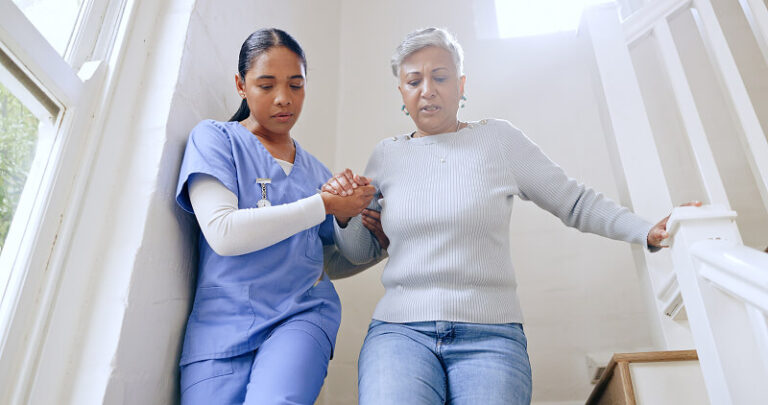
Caregivers encourage proper walking techniques, safe transfers, and the correct use of mobility devices while promoting as much independence as possible.
Environmental Modifications
Grab bars, handrails, non-slip mats, adequate lighting, and clutter-free pathways help create safer indoor and outdoor environments.
Medication Review
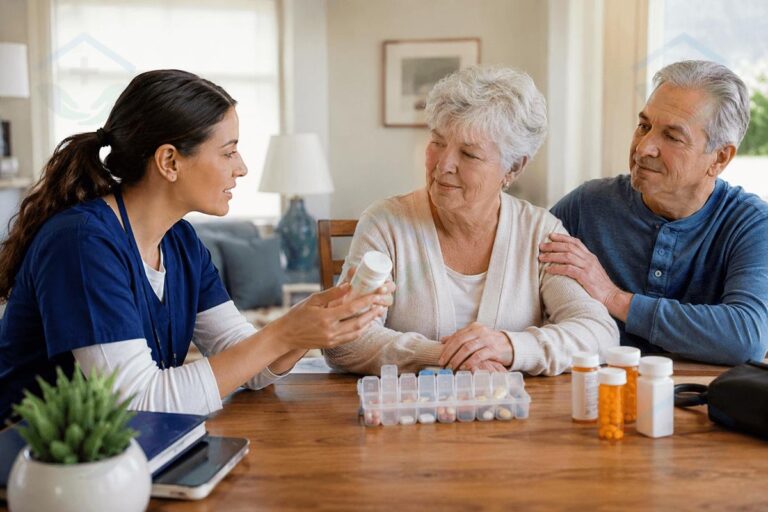
Healthcare providers should review medications regularly to identify side effects such as dizziness, drowsiness, or balance problems that may increase fall risk.
Footwear & Assistive Equipment
Properly fitting footwear and well-maintained walkers, canes, wheelchairs, or other assistive devices help improve stability and reduce accidents.
Health & Wellness Monitoring
Regular vision checks, hearing assessments, strength-building activities, hydration, and overall health monitoring support better balance and mobility.
Emergency Preparedness
Caregivers should have clear emergency procedures, communication plans, and quick access to emergency contacts if a fall occurs.
Ongoing Safety Reviews
Fall risks should be reassessed regularly, and safety plans updated whenever health conditions, environments, or mobility needs change.
The Four Stages of Fall Prevention
Fall prevention is an ongoing process that combines assessment, planning, education, and continuous improvement.
Step 1 – Risk Assessment
Caregivers identify medical, environmental, and mobility factors that may increase fall risk.
Step 2 – Safety Planning
Individualized safety plans are developed based on identified risks, support needs, and living environments.
Step 3 – Prevention Strategies
Safety measures, mobility support, environmental modifications, and caregiver education are implemented.
Step 4 – Monitoring & Continuous Improvement
Regular evaluations ensure safety plans remain effective as individual needs and environments change.
How Safety & Fall Prevention Works
An effective fall prevention program combines proactive planning with consistent daily safety practices.
Step 1: Evaluate Fall Risks
Healthcare providers and caregivers assess mobility, balance, medications, vision, and environmental hazards.
Step 2: Develop a Personalized Safety Plan
Individualized recommendations are created based on health conditions, daily routines, and mobility needs.
Step 3: Improve the Environment
Potential hazards are removed, lighting is improved, assistive equipment is installed, and pathways are kept clear.
Step 4: Encourage Safe Mobility
Individuals receive support with transfers, walking techniques, exercise, and safe use of mobility devices.
Step 5: Monitor Health & Daily Activities
Caregivers observe for changes in strength, balance, medications, or health that could increase fall risk.
Step 6: Review & Update Safety Measures
Safety plans are reviewed regularly and adjusted as individual needs, living environments, or medical conditions change.
Supporting Families & Caregivers
Families and caregivers play an important role in creating safe environments and encouraging habits that reduce fall risks.
Education & Safety Training
Caregivers receive guidance on identifying hazards, assisting with mobility, preventing falls, and responding appropriately if a fall occurs.
Practical Guidance
Support professionals provide recommendations for home modifications, safe transfers, mobility aids, and daily safety routines.
Caregiver Support
Healthcare teams answer questions, offer resources, and help families develop practical fall prevention strategies for everyday care.
Ongoing Communication
Regular discussions between caregivers and healthcare providers help identify new concerns and improve safety planning over time.
Safety Requirements & Care Settings
Fall prevention practices should be incorporated into all environments where individuals receive care or support.
Safety measures may follow
- OSHA workplace safety standard
- State healthcare regulations
- Organizational safety policies
- Home care best practices
- DDD program guidelines
- Healthcare provider recommendations
Fall prevention strategies may be used in
- Private homes
- Day Habilitation programs
- Assisted living communities
- Residential care settings
- Healthcare facilities
- Community programs
- Rehabilitation centers
Maintaining consistent safety practices helps reduce injuries while promoting confidence and independence.
Building a Safer Environment
A proactive approach to fall prevention helps individuals remain active while reducing unnecessary risks.
Families and caregivers should focus on
- Keeping walkways clear
- Improving lighting throughout the home
- Using mobility aids correctly
- Installing grab bars and handrails
- Wearing supportive footwear
- Monitoring medication side effects
- Encouraging regular health check-ups
- Reviewing safety plans regularly
Ask questions such as
- Which areas of the home present the greatest fall risk?
- Are mobility devices fitted and used correctly?
- Has medication been reviewed recently?
- What changes can improve safety while maintaining independence?
FAQs
What is a fall prevention checklist?
A fall prevention checklist is a guide used to identify hazards, improve safety, and reduce the risk of falls through proactive planning and environmental modifications.
Who should follow fall prevention practices?
Older adults, individuals with disabilities, people recovering from illness or surgery, caregivers, and healthcare professionals all benefit from fall prevention strategies.
What are the most common causes of falls?
Falls may result from poor lighting, cluttered walkways, slippery floors, medication side effects, muscle weakness, balance problems, or improper use of mobility devices.
How often should a home safety assessment be completed?
Safety assessments should be performed regularly and whenever there are changes in health, mobility, medications, or the living environment.
Can fall prevention help maintain independence?
Yes. Effective fall prevention allows individuals to remain active and independent while reducing the risk of injuries and improving confidence during daily activities.
Blogs