



Infection Control Protocols
Infection Control Protocols: The Complete Guide
One of the most crucial tasks of healthcare and support has to do with stopping the dissemination of infections. Good infection control will ensure the personal protection of individuals, their caregivers, staff, family and the community at large by minimizing the likelihood of getting sick and by providing a safe environment of care. In this guide, infection control information, best practices, and necessary actions that promote health and safety in the home care, Day Habilitation, and community-based settings are explained.
Table of Content
- Definition & Purpose of Infection Control
- Understanding Infection Prevention Goals
- What Infection Control Protocols Mean
- Who Benefits & When Infection Control Is Needed
- Infection Control Protocols Breakdown
- The Four Stages of Infection Control
- How Infection Control Works
- Supporting Caregivers & Support Teams
- Infection Control Requirements & Care Settings
- Building a Culture of Safety
- FAQs
Definition & Purpose of Infection Control
Do you have the responsibility of supporting people in a home or community-based setting? Do you wish to know how to minimize the transmission of infections and offer quality and safe care? Are you seeking effective infection control steps that safeguard those in the care unit and individuals?
Infection control protocols represent a collection of evidence-based practice aimed at inoculation of bacteria, virus infectiousness and other harmful microorganisms. These measures aid to minimize healthcare-related infections and build a safer setting in the care of all parties.
Infection control is not merely used to protect the recipients of services but is also used to protect caregivers, medical workers, visitors and society at large. Regular infection prevention procedures decrease risk to health care, regulate compliance with regulations, and enhance the overall quality of care. Knowing the rules of infection controls will enable caregivers to offer safe, responsible and professional care to a patient and reduce the number of diseases that can be prevented.
Understanding Infection Prevention Goals
The risk of infections is high when hygiene measures are not observed. The daily needs, including personal care, meal preparation, medication support, and community involvement, should be closely monitored and safe.
The best prevention of infections is aimed at decreasing contact with harmful microorganisms prior to sickness. Caregivers do not respond when infections have set in, but proactively implement measures to keep their environments healthy and keep susceptible people safe.
The general targets of infection prevention may entail
- Reducing the spread of contagious illnesse
- Protecting individuals and caregivers
- Maintaining clean and sanitary environments
- Promoting proper hygiene practices
- Preventing healthcare-associated infections
- Supporting safe community participation
When infection prevention becomes part of daily routines, both individuals and caregivers benefit from safer, healthier care environments.
What Infection Control Protocols Mean
Infection control policies are the policies, procedures, and practices adopted daily to help in preventing infections and ensuring safe care environments. Such guidelines assist caregivers to recognize hazards, adhere to relevant safety guidelines and act promptly on issues of infection concerns.
The typical infection control measures would be
- Hand hygiene
- Use of personal protective equipment (PPE)
- Cleaning and disinfecting surfaces
- Safe food handling
- Respiratory hygiene
- Waste disposal procedures
- Exposure prevention
- Illness reporting and monitoring
Following these protocols consistently helps reduce the risk of infection while supporting the health and well-being of everyone involved in care.
Who Benefits & When Infection Control Is Needed
Infection control protocols should be followed whenever individuals receive healthcare or support services, regardless of the setting.
These protocols are especially important when
- Providing personal care assistance
- Supporting individuals with weakened immune systems
- Preparing or serving food
- Assisting with medications
- Cleaning shared spaces
- Managing wounds or bodily fluids
- Supporting individuals during illness
- Participating in community activities
Infection control protects
- Individuals receiving services
- Direct Support Professionals (DSPs)
- Family caregivers
- Healthcare professionals
- Visitors
- Community members
Consistent infection prevention helps reduce outbreaks while creating safer environments for everyone.
Infection Control Protocols Breakdown
Effective infection prevention combines education, proper hygiene, environmental safety, and ongoing monitoring.
Core infection control protocols typically include
Hand Hygiene
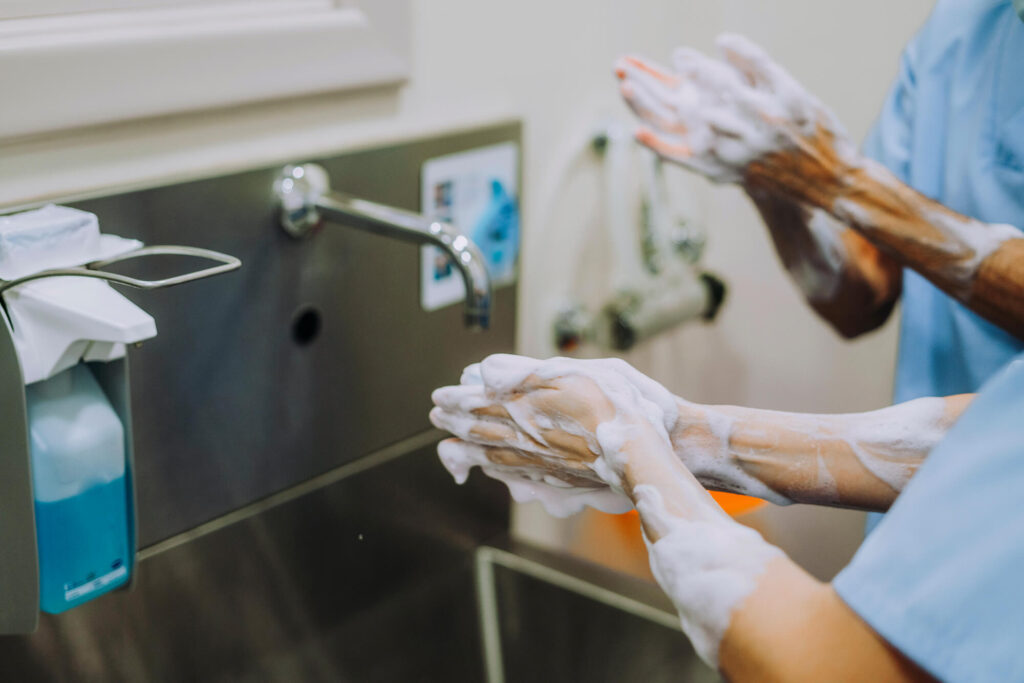
Caregivers should wash their hands thoroughly or use approved hand sanitizer before and after providing care, preparing food, assisting with medications, or touching shared surfaces.
Personal Protective Equipment (PPE)
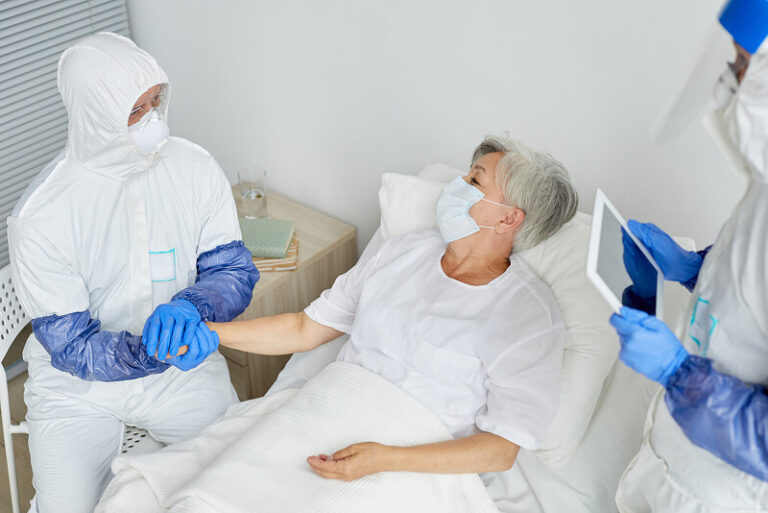
Appropriate gloves, masks, gowns, or eye protection should be used whenever there is a risk of exposure to infectious materials or bodily fluids.
Cleaning & Disinfection
Frequently touched surfaces, shared equipment, bathrooms, and common areas should be cleaned and disinfected regularly using approved cleaning products.
Respiratory Hygiene & Cough Etiquette
Individuals and caregivers should cover coughs and sneezes, dispose of tissues properly, and perform hand hygiene immediately afterward to reduce disease transmission.
Safe Food Handling
Food should be prepared, stored, and served safely to reduce the risk of foodborne illnesses and cross-contamination.
Exposure Prevention & Reporting
Potential exposure incidents, illness symptoms, and infection concerns should be reported promptly so appropriate precautions can be implemented.
Waste Disposal Procedures
Medical waste, contaminated materials, and disposable protective equipment should be discarded safely according to established infection control guidelines.
Ongoing Training & Compliance
Caregivers should receive regular infection control education, competency reviews, and updates on current health and safety recommendations.
The Four Stages of Infection Control
Effective infection prevention follows a structured process that promotes consistent safety practices.
Step 1 – Risk Assessment
Caregivers identify potential infection risks, vulnerable individuals, and situations requiring additional precautions.
Step 2 – Prevention Measures
Hand hygiene, PPE, cleaning, and safe work practices are implemented to reduce infection risks.
Step 3 – Monitoring & Response
Individuals and caregivers monitor for symptoms, report concerns promptly, and follow appropriate response procedures.
Step 4 – Review & Continuous Improvement
Protocols are reviewed regularly to ensure compliance with current health guidelines and organizational standards.
How Infection Control Works
Strong infection control depends on consistent daily practices and teamwork among caregivers, individuals, and healthcare professionals.
Step 1: Identify Potential Risks
Caregivers assess activities, environments, and health conditions that may increase infection risks.
Step 2: Follow Standard Precautions
Routine hygiene practices, PPE use, and environmental cleaning are implemented during all care activities.
Step 3: Maintain Safe Environments
Shared spaces, equipment, and frequently touched surfaces are cleaned and disinfected according to established schedules.
Step 4: Monitor Health & Symptoms
Individuals and caregivers observe for signs of illness and report concerns promptly.
Step 5: Respond to Infection Concerns
Appropriate isolation measures, medical evaluation, and reporting procedures are followed when infection risks are identified.
Step 6: Continue Education & Evaluation
Regular training, supervision, and protocol reviews help maintain high infection prevention standards.
Supporting Caregivers & Support Teams
Effective infection control depends on knowledgeable and confident caregivers who understand their role in protecting others.
Education & Training
Caregivers receive ongoing instruction on hygiene practices, PPE use, cleaning procedures, and current infection prevention guidelines.
Practical Guidance
Supervisors provide coaching on proper hand hygiene, environmental cleaning, safe care techniques, and responding to illness.
Safety Resources
Organizations ensure caregivers have access to protective equipment, cleaning supplies, educational materials, and reporting procedures.
Ongoing Communication
Healthcare teams share updates regarding infection prevention recommendations, policy changes, and emerging public health concerns.
Infection Control Requirements & Care Settings
Infection prevention protocols apply across many healthcare and community-based environments.
Protocols may be required under
- OSHA safety standards
- CDC infection prevention guidance
- State health regulations
- Medicaid provider requirements
- Organizational policies
- Public health recommendations
Infection control practices are used in
- Day Habilitation programs
- Residential services
- Home care settings
- Community programs
- Healthcare facilities
- Transportation services
- Group activity environments
Maintaining consistent infection control practices helps protect everyone while supporting safe, high-quality care.
Building a Culture of Safety
Strong infection control begins with everyday habits and shared responsibility.
Organizations and caregivers should focus on
- Consistent hand hygiene
- Proper PPE use
- Regular cleaning and disinfection
- Early illness reporting
- Safe food handling
- Ongoing staff education
- Compliance with health guidelines
- Respect for individual health and safety
Ask questions such as
- When should PPE be used during care?
- How often should shared equipment be disinfected?
- What symptoms should be reported immediately?
- How are infection control procedures updated?
FAQs
What are infection control protocols?
Infection control practices refer to measures and procedures that aid in the prevention of the spread of bacteria, viruses and other infectious organisms in both healthcare and community environments.
Why is hand hygiene so important?
One of the best methods of preventing the transmission of infections and preserving caregivers and others receiving care is proper hand hygiene.
When should caregivers wear personal protective equipment?
PPE is supposed to be donned whenever there is a risk of coming into contact with body fluids, infectious substances or circumstances that necessitate extra health measures.
How often should frequently touched surfaces be cleaned?
Regular cleaning and disinfection of high-touch surfaces must be performed in line with organizational policies and in case of the suspected presence of contamination.
Why is ongoing infection control training necessary?
Periodic education keeps the caregivers on par with the current safety measures, and enhanced infection control measures can be provided to everyone in a safe environment.
Blogs