

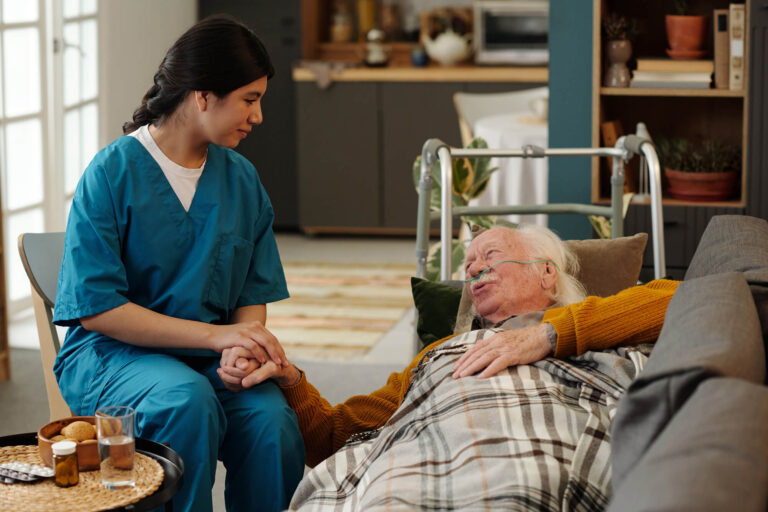


Early Hospice Conversations

Early Hospice Conversations: The Complete Guide
Talking about hospice care can be challenging and emotional when the loved one has a severe illness and is alive. Nevertheless, early hospice conversations often give patients and families more time to understand their options and articulate their wishes, enabling them to make informed care decisions. This guide elaborates on the essence of having early hospice conversations, at what time to commence the dialogue, and how preemptive planning can enhance comfort, support, and life quality.
Table of Content
- Definition & Purpose of Early Hospice Conversations
- Understanding Care Goals & Future Planning
- What Early Hospice Conversations Mean
- Who Should Consider Early Hospice Discussions
- Early Hospice Conversation Breakdown
- The Four Stages of Early Hospice Discussions
- How Early Hospice Conversations Work
- Supporting Families & Caregivers
- Costs, Coverage & Care Planning Resources
- Choosing the Right Time to Start the Conversation
- FAQs
Definition & Purpose of Early Hospice Conversations
Do you know when you should discuss hospice care with a loved one? Are you concerned that you might feel discouraged or overwhelmed by the thought of raising up hospice? Do you want to know how these discussions can assist families prepare for their future care needs?
Early hospice discussions refer to talks which are held before a medical emergency arises. They assist patients, families, and healthcare providers to openly discuss care goals, treatment preferences, quality of life, and future healthcare choices.
It is not about the loss of hope in such talks. Rather, they can assist the families to know other things that they can do in order to get ready for the changes that might arise as an illness advances. This is better achieved by having some form of conversations early so that time can be spent on asking questions, preferences and making wise decisions than those that arise when one has to act in a hurry.
The more families know about hospice care in time the better prepared, supported and certain they tend to be about future care planning.
Understanding Care Goals & Future Planning
Most of the individuals put off hospice discussions due to the fact that they perceive hospice as a last day on earth. As a matter of fact, initial conversations usually open the way to more planning opportunities and quality life.
Comprehending care objectives implies that the aims are put on what is important to the patient. There are those who put comfort and symptom control first, others prefer to be at home with family and familiar environment.
Patients and families might appreciate such goals as
- Maintaining comfort and dignity
- Remaining at home whenever possible
- Reducing hospital visits and medical interventions
- Managing symptoms effectively
- Spending meaningful time with loved ones
- Receiving emotional and spiritual support
When these goals are discussed early, care plans can be aligned with the patient’s wishes and personal values. Healthcare teams help guide these conversations so families can make informed decisions without feeling pressured or rushed.
What Early Hospice Conversations Mean
Early hospice conversations involve proactive discussions regarding future care needs, treatment priorities, and supportive services available for patients with serious illnesses.
These conversations may include
- Understanding hospice services
- Discussing care goals and preferences
- Exploring quality-of-life priorities
- Reviewing treatment expectations
- Identifying support needs
- Addressing fears and concerns
- Planning for future healthcare decisions
- Preparing caregivers and family members
Rather than waiting until symptoms become severe, early discussions allow families to understand their options and prepare for future care transitions.
Who Should Consider Early Hospice Discussions
Hospice conversations may be appropriate whenever a serious illness begins affecting quality of life or long-term health expectations.
These discussions are often helpful when
- A serious illness continues to progress
- Treatments become less effective
- Hospital visits become more frequent
- Symptoms significantly affect daily life
- Families want to plan ahead
- Patients express concerns about future care
- Quality of life becomes a priority
- Caregiver support needs increase
Common conditions that may prompt early hospice discussions include
- Cancer
- Heart disease
- COPD and lung disease
- Dementia or Alzheimer's disease
- Neurological disorders
- Kidney or liver disease
- Advanced chronic illnesses
Having conversations sooner allows patients to participate actively in decisions regarding their future care.
Early Hospice Conversation Breakdown
Starting hospice discussions early creates opportunities for planning, education, and support.
Core topics typically discussed include
Understanding Hospice Services
Patients and families receive information regarding available services, support options, and the role hospice plays in patient care.
Care Goals & Priorities
Discussions focus on what matters most to the patient, including comfort, independence, family time, and quality of life.
Treatment Preferences
Patients can express preferences regarding future treatments, interventions, and healthcare decisions.
Symptom Management Planning
Healthcare providers explain how symptoms can be managed and what support may be available as conditions change.
Family & Caregiver Support
Conversations address caregiver concerns, emotional needs, and available support resources.
Advance Care Planning
Patients have the opportunity to discuss advance directives, healthcare wishes, and decision-making preferences.
Emotional & Spiritual Considerations
Families can explore emotional concerns, fears, beliefs, and sources of comfort during future care planning.
Future Care Coordination
Healthcare teams help create a roadmap for future care needs and transitions.
The Four Stages of Early Hospice Discussions
To support meaningful and productive conversations, hospice discussions often progress through several stages
Step 1 – Recognizing the Need
Patients, families, or healthcare providers recognize changes in health status that may warrant future care planning.
Step 2 – Opening the Conversation
Healthcare providers begin discussing goals, expectations, and available support options.
Step 3 – Exploring Care Preferences
Patients and families discuss wishes, values, treatment priorities, and quality-of-life considerations.
Step 4 – Planning & Ongoing Review
Care plans are documented and revisited as health conditions and preferences evolve.
How Early Hospice Conversations Work
The conversation process is designed to be supportive, informative, and patient-centered.
Step 1: Identify Concerns
Patients, families, or providers identify questions or concerns regarding future care needs.
Step 2: Discuss Current Health Status
Healthcare teams explain the patient’s condition, treatment outlook, and possible future changes.
Step 3: Explore Goals & Preferences
Patients share what matters most to them regarding comfort, independence, and quality of life.
Step 4: Review Care Options
Available services, including hospice care and supportive care resources, are discussed openly.
Step 5: Address Questions & Emotions
Families receive guidance, reassurance, and support while discussing concerns and uncertainties.
Step 6: Create a Care Planning Framework
Preferences and goals are documented to guide future healthcare decisions.
Supporting Families & Caregivers
Early hospice discussions often provide relief for families by creating clarity and reducing uncertainty about future decisions.
Emotional and Educational Support
Healthcare teams provide information, answer questions, and help families understand available care options.
Caregiver Preparation
Families receive guidance regarding future responsibilities, support services, and care planning resources.
Bereavement & Emotional Resources
Support services help families process emotions and prepare for future challenges.
Practical Guidance
Healthcare providers assist with advance care planning, documentation, and care coordination discussions.
Costs, Coverage & Care Planning Resources
Many educational discussions and care planning conversations are part of routine healthcare and care coordination services.
Families may receive guidance regarding
- Medicare hospice benefits
- Medicaid coverage
- Private insurance options
- Advance care planning resources
- Caregiver support services
- Community support programs
Understanding available resources helps families prepare for future care needs more confidently.
Choosing the Right Time to Start the Conversation
Starting hospice conversations early allows families to make thoughtful decisions and avoid rushed choices during medical emergencies.
Consider
- Changes in health status
- Increasing symptom burden
- Declining treatment effectiveness
- Frequent hospital visits
- Caregiver concerns
- Quality-of-life priorities
- Future care planning goals
- Patient wishes and preferences
Ask questions such as
- What are our care options moving forward?
- How can hospice support quality of life?
- What should we expect as the illness progresses?
- When is the right time to begin planning?
FAQs
Why are early hospice conversations important?
They help patients and families understand care options, express preferences, and prepare for future healthcare decisions before a crisis occurs.
Does discussing hospice mean giving up?
No. These conversations focus on planning, comfort, and understanding available support options rather than giving up hope.
Who should participate in hospice discussions?
Patients, family members, caregivers, physicians, nurses, and other healthcare professionals may participate.
When should hospice conversations begin?
Conversations are often most helpful when serious illnesses begin affecting quality of life or future care planning becomes important.
Can care plans change after these discussions?
Yes. Care preferences and plans can be reviewed and updated as health conditions and patient wishes evolve.
Blogs