

Day Hab Activity Standards
Day Hab Activity Standards: The Complete Guide
Day Habilitation programs are aimed at assisting developmentally and intellectually challenged individuals in developing life skills, becoming more independent, and contributing to their communities. Activities are well organized to help in reaching these ends. This guide describes the standards of Day Hab activity, the process of planning activities and best practices that lead to safe, engaging, and meaningful experiences for each participant.
Table of Content
- Definition & Purpose of Day Hab Activity Standards
- Understanding Activity Goals & Individual Development
- What Day Hab Activity Standards Mean
- Who Benefits & When Activity Standards Are Applied
- Day Hab Activity Standards Breakdown
- The Four Stages of Day Hab Activity Planning
- How Day Hab Activities Work
- Supporting Families & Caregivers
- Funding, Services & Program Settings
- Choosing the Right Day Hab Program
- FAQs
Definition & Purpose of Day Hab Activity Standards
Do you seek activities that enhance independence and self-growth? Would you like to see how Day Habilitation programs can help people more than basic care does? Wonder what constitutes a good Day Hab activity program?
Guidelines that make sure that each activity is meaningful, person-centered, and aimed at helping people reach their personal goals are known as Day Hab activity standards. Instead of merely having participants busy, the activities planned are strategic to develop hands-on skills, encourage community involvement, reinforce social relationships, and enhance the quality of life overall.
Understanding Day Hab activity standards helps families, caregivers, and support professionals provide experiences that promote confidence, independence, and lifelong learning.
Understanding Activity Goals & Individual Development
Every individual participating in a Day Habilitation program has different strengths, interests, learning styles, and personal goals. Successful activities recognize these differences and provide opportunities that support both skill development and enjoyment.
Rather than following the same routine for every participant, activities should be flexible and individualized while encouraging participation and achievement.
Individuals often work toward goals such as
- Building everyday life skills
- Increasing independence
- Improving communication
- Developing social relationships
- Participating in community activities
- Exploring hobbies and personal interests
When activities align with individual goals, participants become more engaged, motivated, and confident while developing skills that support greater independence.
What Day Hab Activity Standards Mean
Day Hab activity standards refer to the principles and best practices used to design, deliver, and evaluate meaningful daily activities for individuals receiving Day Habilitation services.
These standards help ensure activities are
- Person-centered
- Goal-oriented
- Safe and inclusive
- Age-appropriate
- Skill-building
- Community-focused
- Respectful of individual choice
- Continuously evaluated
Activity standards encourage meaningful participation rather than passive involvement, helping individuals gain practical skills that improve daily living and community inclusion.
Who Benefits & When Activity Standards Are Applied
Day Hab activity standards benefit individuals participating in Day Habilitation services as well as families, caregivers, and support professionals responsible for planning and delivering services.
Activity standards should be applied whenever
- New activities are developed
- Individual goals are reviewed
- Community outings are planned
- Life skills programs are introduced
- Recreational activities are organized
- Employment readiness is supported
- Individual support plans are updated
- Program quality is evaluated
These standards help ensure that every activity contributes to meaningful personal development while respecting individual preferences and support needs.
Day Hab Activity Standards Breakdown
Quality Day Hab programs combine education, recreation, skill development, and community participation to create meaningful daily experiences.
Core Day Hab activity standards typically include
Person-Centered Activity Planning
Activities are designed around each individual’s interests, strengths, support needs, and personal goals while encouraging active participation and informed choice.
Life Skills Development
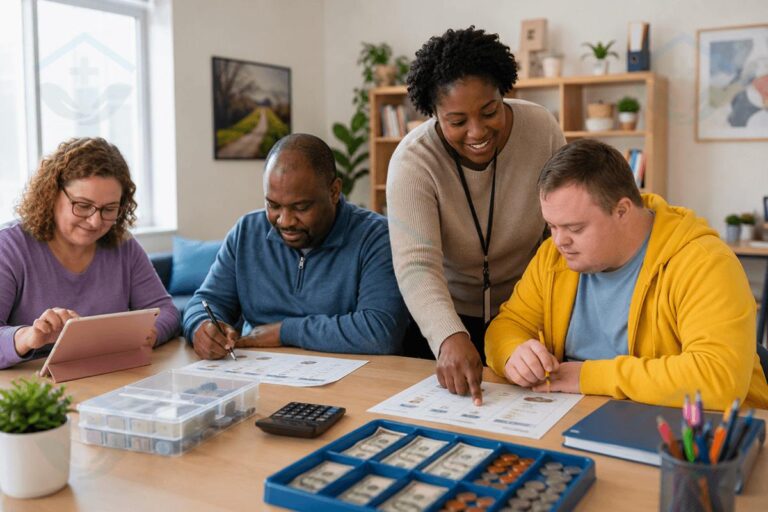
Programs focus on cooking, budgeting, communication, personal care, problem-solving, and other practical skills that support greater independence in everyday life.
Community Inclusion Activities
Participants engage in community outings, volunteer opportunities, recreational events, and educational experiences that encourage social inclusion and confidence.
Social & Communication Skills
Activities promote teamwork, conversation, relationship building, conflict resolution, and respectful interaction with peers and community members.
Health & Wellness Activities
Programs encourage physical activity, healthy eating, personal wellness, emotional well-being, and healthy lifestyle habits through structured daily activities.
Creative & Recreational Programs
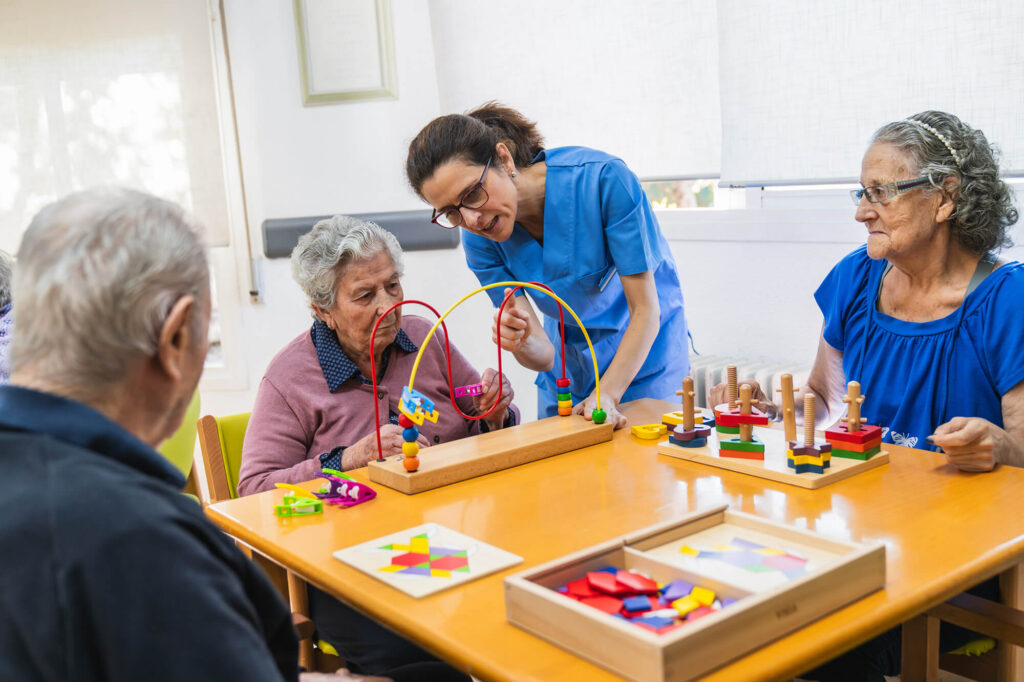
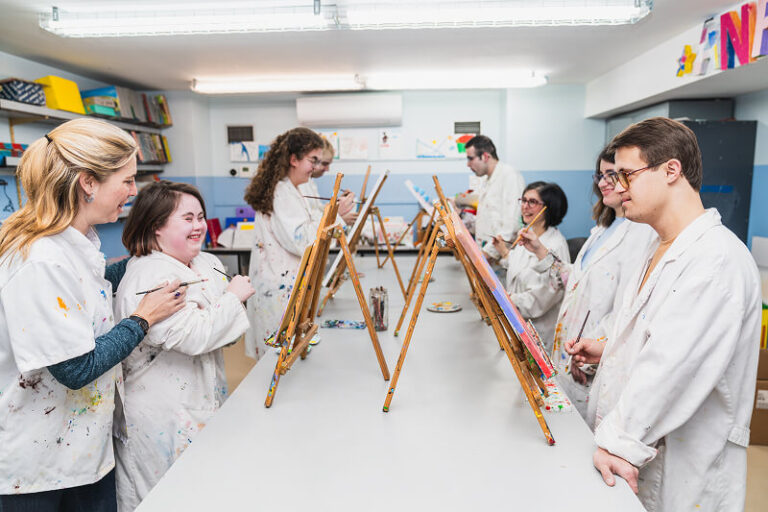
Art, music, crafts, games, gardening, fitness, and recreational activities encourage creativity, self-expression, and enjoyment while supporting skill development.
Safety & Independence Training
Participants develop personal safety awareness, travel skills, emergency preparedness, and decision-making abilities needed for greater independence.
Ongoing Progress Monitoring
Staff regularly evaluate participation, achievement of goals, and activity effectiveness while updating individual support plans as needs change.
The Four Stages of Day Hab Activity Planning
Effective Day Hab activities follow a structured process that supports continuous learning and individual growth.
Step 1 – Individual Assessment
Staff evaluate each participant’s abilities, interests, goals, and support needs before planning activities.
Step 2 – Personalized Activity Planning
Activities are selected based on individual preferences while supporting skill development and personal growth.
Step 3 – Active Participation & Skill Building
Participants engage in structured activities that promote independence, confidence, and meaningful learning experiences.
Step 4 – Progress Evaluation & Program Improvement
Activity outcomes are reviewed regularly, and future programs are adjusted to support continued development and changing goals.
How Day Hab Activities Work
Well-planned Day Hab activities provide structured opportunities for learning, participation, and personal achievement.
Step 1: Individual Goal Review
Support professionals review each participant’s interests, strengths, and personal development goals.
Step 2: Activity Selection
Meaningful activities are chosen to match individual preferences, abilities, and learning objectives.
Step 3: Activity Preparation
Staff prepare materials, safety plans, community resources, and support strategies before activities begin.
Step 4: Guided Participation
Participants receive encouragement, coaching, and individualized support while engaging in planned activities.
Step 5: Skill Reinforcement
New skills are practiced through repetition, positive reinforcement, and real-life experiences.
Step 6: Progress Review & Future Planning
Staff document achievements, celebrate successes, and update activity plans to encourage continued growth and independence.
Supporting Families & Caregivers
Families play an important role in helping individuals achieve success through Day Habilitation programs. Collaboration between families and support teams encourages consistent progress and meaningful outcomes.
Emotional and Educational Support
Program staff help families understand activity goals, individual progress, and strategies that encourage continued learning at home.
Family Collaboration
Care teams work closely with families to identify interests, establish goals, and celebrate achievements throughout the individual’s journey.
Practical Guidance
Families receive suggestions for reinforcing life skills, communication, social interaction, and independence outside the Day Hab program.
Ongoing Communication
Regular updates, progress reviews, and shared planning help ensure activities remain meaningful and aligned with changing goals.
Funding, Services & Program Settings
Day Habilitation services may be funded through disability support programs and community-based services depending on eligibility.
Support may be available through
- DDD programs
- Medicaid waiver services
- State disability programs
- Community support organizations
- Vocational rehabilitation services
- Nonprofit agencies
Day Hab activities may take place in
- Day Habilitation centers
- Community organizations
- Recreation facilities
- Libraries
- Parks
- Volunteer locations
- Educational settings
- Local businesses
Understanding available services helps families choose programs that best support long-term independence and personal growth.
Choosing the Right Day Hab Program
A quality Day Hab program should provide meaningful opportunities that promote learning, inclusion, and independence.
Families should consider
- Person-centered activity planning
- Individual goal development
- Community participation opportunities
- Qualified and supportive staff
- Safety and supervision practices
- Variety of educational and recreational activities
- Family communication and involvement
- Ongoing progress evaluations
Ask questions such as
- How are activities personalized for each participant?
- How are individual goals measured?
- What community activities are offered?
- How are families involved in program planning?
FAQs
What are Day Hab activity standards?
Day Hab activity standards are guidelines that ensure activities are meaningful, safe, person-centered, and focused on developing life skills and independence.
Why are structured activities important in Day Habilitation?
Structured activities help individuals build practical skills, improve confidence, increase community participation, and achieve personal goals.
How are activities selected for participants?
Activities are chosen based on each individual’s interests, abilities, support needs, and goals outlined in their personalized service plan.
What types of activities are included in Day Hab programs?
Programs may include life skills training, community outings, recreation, health and wellness activities, communication development, and creative learning experiences.
How do families support Day Hab activities?
Families contribute by reinforcing learned skills at home, participating in goal planning, maintaining communication with staff, and encouraging continued independence.
Blogs