



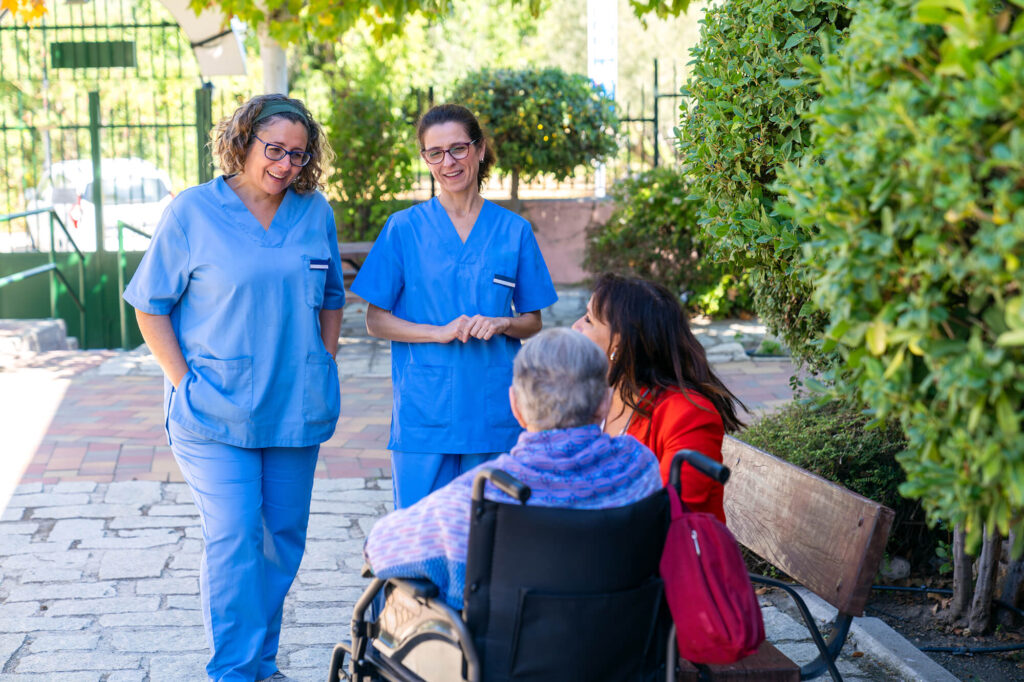
Community Inclusion Guidelines
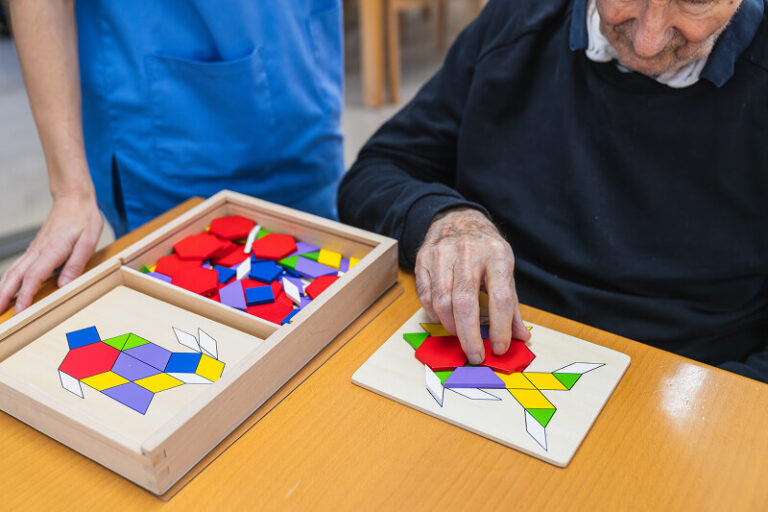
Community Inclusion Guidelines: The Complete Guide
When individuals with developmental or intellectual disabilities participate in their communities, they gain opportunities to build relationships, develop life skills, and enjoy greater independence. The idea of community inclusion is aimed at making each person contribute to the dynamic activity of daily life and follow their decisions, capabilities, and personal aspirations. The guide provides information about community inclusion, best practices, and how one can collaborate with others, including family and support team, to develop meaningful community experiences.
Table of Content
- Definition & Purpose of Community Inclusion
- Understanding Inclusion Goals & Individual Choice
- What Community Inclusion Means
- Who Benefits & When Community Inclusion Is Appropriate
- Community Inclusion Breakdown
- The Four Stages of Community Inclusion
- How Community Inclusion Works
- Supporting Families & Caregivers
- Costs, Funding & Program Settings
- Choosing the Right Community Inclusion Program
- FAQs
Definition & Purpose of Community Inclusion
Need ideas on how to get a loved one more engaged? Would you like to know how community inclusion helps in fostering independence and personal development? Do you seek programs that will promote meaningful involvement outside home-based care?
Community inclusion refers to the act of ensuring people with developmental or intellectual disabilities are helped to become fully integrated members of the community to take part in community life like other individuals. It fosters equality, individual decision, social ties, and the availability of education, labor, leisure, and activities within the community.
Community inclusion is aimed at assisting people to gain confidence, improve their life skills, and have meaningful experiences to just continue being productive members within their communities. Community inclusion does not emphasize limitations but aspects like abilities, interests, personal goals, and individual preferences.
Awareness of community inclusion guidelines assists families, caregivers, and the service providers to establish friendly settings in which individuals will be able to participate in safe, independent and dignified ways.
Understanding Inclusion Goals & Individual Choice
The values of community inclusion are based on the philosophy that all people are entitled to access opportunities to participate in daily life, as long as they are not disabled or in need of assistance.
Effective inclusion is about strengths, interests, skills, and individual aspirations of individuals. Services are based on personal preferences and support needs rather than on a single standard model for everyone.
Individuals may have goals such as
- Building friendships and social connections
- Developing communication and life skills
- Participating in community events
- Exploring volunteer or employment opportunities
- Increasing confidence and independence
- Learning new hobbies and recreational activities
When these goals are identified early, support teams can create personalized plans that encourage participation while respecting individual choices.
Community inclusion programs help individuals become active participants in their communities rather than simply receiving services.
What Community Inclusion Means
Community inclusion refers to supporting individuals so they can fully participate in community life through meaningful activities, relationships, education, employment, recreation, and social engagement.
Community inclusion may include
- Community outings
- Recreational activities
- Volunteer opportunities
- Educational programs
- Employment readiness
- Social skill development
- Independent living support
- Life skills training
The goal is to provide opportunities that promote confidence, independence, personal growth, and meaningful community participation.
Community inclusion recognizes that every individual has unique abilities and should have equal opportunities to contribute to and enjoy their community.
Who Benefits & When Community Inclusion Is Appropriate
Community inclusion programs benefit individuals with developmental or intellectual disabilities who want to increase independence, social engagement, and community participation.
Community inclusion may be appropriate when individuals want to
- Build social relationships
- Increase independence
- Learn everyday life skills
- Participate in community activities
- Explore employment opportunities
- Improve communication skills
- Develop self-confidence
- Achieve personal goals
Individuals participating in DDD or Day Habilitation programs often benefit from structured community inclusion opportunities that encourage independence while providing appropriate support.
Families also benefit by seeing loved ones become more engaged, confident, and connected within their communities.
Community Inclusion Breakdown
Community inclusion combines education, skill development, social participation, and individualized support to help people achieve meaningful life goals.
Core community inclusion activities typically include
Person-Centered Planning
Support plans are developed around each individual’s interests, abilities, personal goals, and preferred community activities.
Life Skills Development
Programs focus on improving communication, money management, travel skills, decision-making, and everyday independent living abilities.
Community Participation
Individuals participate in local events, recreational activities, educational opportunities, and social programs that match their interests.
Employment Readiness
Vocational training, job exploration, volunteer opportunities, and workplace skill development encourage greater independence.
Social Skill Building
Activities promote communication, teamwork, relationship building, confidence, and positive interactions with others.
Health & Safety Education
Participants learn personal safety, community awareness, emergency preparedness, and healthy lifestyle practices.
Transportation & Mobility Training
Support is provided to develop safe travel skills using public transportation and community resources whenever appropriate.
Ongoing Goal Evaluation
Individual progress is reviewed regularly, and support plans are updated to reflect changing goals and achievements.
The Four Stages of Community Inclusion
Community inclusion is an ongoing process that supports personal growth and increasing independence.
Step 1 – Individual Assessment
Support teams identify interests, strengths, goals, and areas where additional support may be beneficial.
Step 2 – Personalized Planning
An individualized community participation plan is developed based on personal preferences and goals.
Step 3 – Active Community Participation
Individuals engage in meaningful activities while receiving appropriate support and encouragement.
Step 4 – Progress Review & Goal Development
Achievements are evaluated regularly, and new goals are established to encourage continued growth and independence.
How Community Inclusion Works
Community inclusion programs are designed to help individuals participate confidently and safely in everyday community life.
Step 1: Individual Goal Assessment
Support professionals meet with individuals and families to understand interests, abilities, and long-term goals.
Step 2: Activity Planning
Community activities and learning opportunities are selected based on individual preferences and support needs.
Step 3: Skill Development
Participants receive coaching and support while developing practical life, communication, and social skills.
Step 4: Community Participation
Individuals actively participate in chosen activities while building confidence and independence.
Step 5: Ongoing Support & Encouragement
Support professionals provide guidance, encouragement, and assistance as individuals gain new experiences.
Step 6: Progress Evaluation & Future Planning
Goals are reviewed regularly, successes are celebrated, and new opportunities are introduced for continued personal development.
Supporting Families & Caregivers
Community inclusion benefits not only participants but also their families by encouraging greater independence and meaningful community involvement.
Emotional and Educational Support
Families receive education about inclusion opportunities, available services, and strategies that encourage independence.
Caregiver Support
Support professionals work alongside families to create realistic goals and provide ongoing encouragement throughout the inclusion journey.
Practical Guidance
Families receive assistance with transportation planning, activity selection, community resources, and participation opportunities.
Ongoing Communication
Regular updates and progress reviews help families stay informed while celebrating achievements and planning future goals.
Costs, Funding & Program Settings
Community inclusion services may be available through state disability programs, waiver services, or community-based organizations depending on eligibility.
Funding may include
- DDD waiver programs
- Medicaid waiver services
- Community-based support programs
- State-funded disability services
- Nonprofit organizations
- Vocational rehabilitation programs
Community inclusion activities may take place in
- Local communities
- Recreation centers
- Libraries
- Educational settings
- Volunteer organizations
- Businesses and workplaces
- Community events
- Day habilitation programs
Understanding available funding and program options helps families access meaningful opportunities while supporting long-term independence.
Choosing the Right Community Inclusion Program
A successful community inclusion program should focus on the individual’s goals, interests, and long-term development.
Consider
- Person-centered planning
- Individual choice and preferences
- Community participation opportunities
- Life skills development
- Employment and volunteer options
- Safety and supervision
- Family communication
- Ongoing progress evaluations
Ask questions such as
- How are individual goals incorporated into activities?
- What community opportunities are available?
- How is progress measured?
- How are families involved in planning and support?
FAQs
What are community inclusion guidelines?
Community inclusion guidelines help individuals with disabilities participate safely and meaningfully in everyday community activities while promoting independence and personal choice.
Who benefits from community inclusion programs?
Individuals with developmental or intellectual disabilities, their families, and caregivers all benefit from increased participation, independence, and social engagement.
Why is community inclusion important?
Community inclusion helps build confidence, life skills, friendships, independence, and opportunities to participate fully in community life.
How are community inclusion activities selected?
Activities are chosen based on each individual’s interests, strengths, goals, abilities, and personal preferences.
Can community inclusion improve independent living skills?
Yes. Regular participation in community activities helps individuals develop communication, decision-making, social, and everyday life skills that support greater independence.
Blogs