



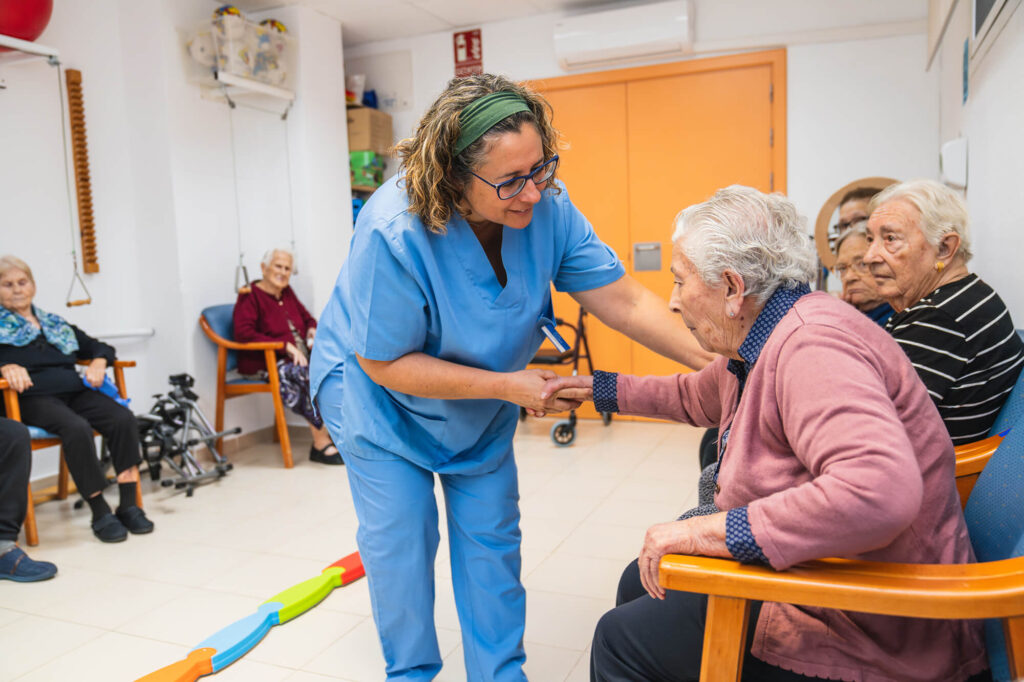
Behavior Support Philosophy

Behavior Support Philosophy: The Complete Guide
Positive behavior support deals with getting to know who is behind the behavior. All people speak in diverse ways and the behaviors are usually indicative of unmet needs, emotions or challenges and not necessarily deliberate behaviors. The guide details the rationale of behavior support, positive goals facilitated by person-centred strategies and how individuals, families, and support professionals can collaborate to achieve a safe, respectful, and meaningful environment.
Table of Content
- Definition & Purpose of behavior Support
- Understanding Positive Behavior Support Goals
- What Behavior Support Philosophy Means
- Who Benefits & When Behavior Support Is Needed
- Behavior Support Breakdown
- The Four Stages of Positive Behavior Support
- How Behavior Support Works
- Supporting Families & Caregivers
- Funding, Services & Support Settings
- Choosing the Right Behavior Support Program
- FAQs
Definition & Purpose of Behaviour Support
Is someone with challenging behaviours being supported by you? Wish to understand why some behaviours occur and how to respond to them in a good and respectful manner? Do you seek methods that emphasize understanding, as well as punishment?
Behaviour support is a person-centred method that can assist individuals in building positive behaviours and reducing stressful situations that can result in distress or uncomfortable behaviour. The objective is not to regulate behaviour, but to find out the cause of behaviour and find supportive measures which enhance quality of life.
Behaviour support aims to enhance dignity, independence, emotional well-being and meaningful participation in the normal daily life. It also asks healthcare workers, families and caregivers to establish trusting relationships and respect individual preferences, communication style, and personal goals of a person.
Behaviour support philosophy can be used to understand how to provide an environment where individuals feel appreciated, safe, listened to, and empowered to succeed
Understanding Positive Behavior Support Goals
All behaviors are meaningful. When communication is challenging, people can express frustration, fear, or discomfort, confusion, or unmet needs in their actions.
Positive behavior support aims at laying light on such underlying causes and developing strategies to enhance the daily experiences as opposed to merely responding to behaviors.
Individuals often benefit from goals such as
- Building confidence and self-esteem
- Improving communication skills
- Increasing independence
- Developing positive coping strategies
- Strengthening social relationships
- Participating safely in everyday activities
When support plans focus on strengths instead of limitations, individuals are more likely to achieve meaningful and lasting positive outcomes.
Support teams work collaboratively with families to ensure behavior strategies remain respectful, consistent, and individualized.
What Behavior Support Philosophy Means
Behavior support philosophy is based on the belief that every individual deserves to be treated with dignity, respect, and compassion regardless of their behaviors or support needs.
Rather than asking, “How do we stop this behavior?” Positive behavior support asks, “What is this person trying to communicate, and how can we better support them?”
Behavior support philosophy promotes
- Person-centred care
- Respect for individual choices
- Positive reinforcement
- Skill development
- Environmental modifications
- Emotional well-being
- Collaborative care planning
- Continuous learning and improvement
This approach focuses on improving overall quality of life while reducing behaviors through understanding and proactive support.
Who Benefits & When Behavior Support Is Needed
Behavior support services can benefit individuals of all ages who experience behavioral challenges related to developmental disabilities, intellectual disabilities, autism, neurological conditions, mental health needs, or communication difficulties.
Behavior support may be appropriate when
- Challenging behaviors become more frequent
- Communication difficulties affect daily life
- Emotional regulation becomes difficult
- Social interactions become challenging
- Safety concerns develop
- Daily routines are disrupted
- Families require additional support
- Independence goals require structured guidance
Early intervention often leads to better long-term outcomes while reducing stress for both individuals and caregivers.
Behavior Support Breakdown
Positive behavior support combines assessment, education, skill development, and ongoing collaboration to help individuals achieve meaningful goals.
Core behavior support principles typically include
Person-Centred Planning
Support strategies are developed around the individual’s strengths, preferences, communication style, and personal goals rather than focusing solely on behaviors.
Functional Behavior Assessment
Professionals identify the reasons behind behaviors by evaluating triggers, environmental factors, communication needs, and daily routines.
Positive Reinforcement
Desired behaviors are encouraged through praise, encouragement, meaningful rewards, and supportive interactions that build confidence and motivation.
Skill Development
Individuals are taught communication, emotional regulation, problem-solving, coping, and social skills that reduce behavioral challenges over time.
Environmental Supports
Daily environments and routines are adjusted to reduce stress, improve predictability, and support successful participation in activities.
Family & Caregiver Training
Families and support staff receive education on consistent behavior support strategies, communication techniques, and positive interventions.
Collaborative Team Approach
Behavior specialists, caregivers, therapists, educators, and families work together to ensure consistent support across all settings.
Ongoing Monitoring & Review
Behavior plans are regularly evaluated and updated to reflect individual progress, changing needs, and personal achievements.
The Four Stages of Positive Behavior Support
Behavior support follows a structured process that focuses on understanding, planning, implementation, and continuous improvement.
Step 1 – Individual Assessment
Support teams assess behaviors, communication abilities, strengths, routines, and environmental influences.
Step 2 – Behavior Support Planning
An individualized behavior support plan is created based on assessment findings and personal goals.
Step 3 – Positive Strategy Implementation
Support strategies are introduced while teaching new skills and encouraging positive behaviors through consistent guidance.
Step 4 – Progress Review & Plan Updates
Behavior outcomes are reviewed regularly, and support plans are adjusted as the individual’s needs and goals evolve.
How Behavior Support Works
Positive behavior support is an ongoing process that helps individuals build new skills while improving quality of life.
Step 1: Initial Assessment
Behavior specialists meet with individuals, families, and support teams to understand behaviors, strengths, and support needs.
Step 2: Identify behavior Triggers
Possible triggers, communication barriers, routines, and environmental factors are evaluated to better understand behavioral patterns.
Step 3: Develop a Support Plan
Individualized strategies are created to encourage positive behaviors while reducing situations that contribute to distress.
Step 4: Teach New Skills
Individuals receive support in developing communication, coping, emotional regulation, and social interaction skills.
Step 5: Provide Consistent Support
Families, caregivers, and professionals implement behavior strategies consistently across home, school, work, or community settings.
Step 6: Review Progress & Adjust Strategies
Support teams evaluate progress regularly and modify behavior plans to reflect growth, changing goals, and ongoing needs.
Supporting Families & Caregivers
Families play an essential role in positive behavior support. With the right guidance and education, caregivers can confidently support individuals while promoting independence and emotional well-being.
Emotional and Educational Support
behavior specialists help families understand why behaviors occur and provide practical strategies for responding calmly and consistently.
Caregiver Coaching
Families receive individualized coaching, communication techniques, and positive behavior strategies that can be applied in everyday situations.
Practical Guidance
Support teams assist with establishing routines, managing challenging situations, promoting positive behaviors, and creating supportive home environments.
Ongoing Collaboration
Regular communication between families and professionals ensures behavior plans remain effective, consistent, and focused on individual success.
Funding, Services & Support Settings
Behavior support services may be available through disability programs, healthcare providers, educational services, or community-based organizations.
Support may be funded through
- DDD programs
- Medicaid waiver services
- State disability services
- Educational support programs
- Community organizations
- Private funding options
Behavior support may be provided in
- Home environments
- Day habilitation programs
- Schools
- Community settings
- Employment programs
- Clinical environments
- Residential services
Understanding available support options helps families access appropriate services while promoting long-term success.
Choosing the Right Behavior Support Program
An effective behavior support program should focus on understanding the individual rather than simply changing behaviors.
Families should consider
- Person-centred planning approaches
- Experience with positive behavior support
- Individualized intervention strategies
- Family involvement
- Communication-focused support
- Skill-building opportunities
- Ongoing progress reviews
- Collaborative care planning
Ask questions such as
- How are behavior support plans individualized?
- How are families involved in the planning process?
- What positive strategies are used before restrictive interventions?
- How is progress monitored and measured?
FAQs
What is behavior support philosophy?
Behavior support philosophy is a person-centred approach that focuses on understanding why behaviors occur and using positive strategies to improve quality of life.
What is positive behavior support?
Positive behavior support combines assessment, skill development, environmental changes, and positive reinforcement to encourage meaningful behavioral improvements.
Why is understanding behavior important?
Behaviors often communicate unmet needs, emotions, discomfort, or communication challenges. Understanding these causes helps create more effective support strategies.
Who benefits from behavior support services?
Individuals with developmental disabilities, autism, intellectual disabilities, neurological conditions, or behavioral support needs can benefit from positive behavior support.
How do families contribute to behavior support?
Families play an important role by providing consistent support, reinforcing positive behaviors, participating in planning, and working collaboratively with support professionals.
Blogs