



The Complete Guide to Hospice Care

- Inspire Families
- How to Guide
- Faith Health Group
- Operation
Hospice Care: The Complete Guide
When a loved one needs hospice care, having the right information can bring comfort and clarity. This guide is here to help you understand hospice services and the compassionate support available during this time.
Definition & Purpose of Hospice Care
Are you or someone you care about facing a serious illness? Is your health declining quickly? Are you feeling stressed trying to find the right care for your loved one?
Hospice care is not a question of giving up but redefining hope. It gives families time to concentrate on love, presence, dignity, comfort and quality time together. It saves patients the suffering that is unwarranted and helps families through the entire journey emotionally, physically and spiritually.
The decision to go to hospice is a benevolent thing to do, a powerful thing to do, and an honorable thing. It makes certain that the last phase of life is penned in a comfortable, dignified and humane manner. When your loved one is approaching the end of life, hospice will be there to assist them in the process by providing care, dignity and unconditional support.
In this guide, you’ll gain a clear understanding of hospice care, including its purpose and end-of-life goals, who qualifies and when it’s appropriate to consider hospice, and the range of services provided. You’ll also learn how hospice care works, how it supports families and caregivers, what costs may be involved, and how to choose the right hospice provider for your needs.

Understanding End-of-Life Goals
It is never easy to confront the notion of the end of life of a loved one. End-of-life care is a word that evokes fear, sadness, uncertainty, and emotional outbursts in many families. You cannot imagine life without such a person, who means everything, and it may appear even more difficult to make choices concerning how he/she lives their last days. Nevertheless, it is also the moment when families are able to think about what really matters the most: comfort, dignity, emotional peace and meaningful moments with each other.
Comprehension of end-of-life objectives concerns the realization that the emphasis is no longer on healing a disease but on maintaining good living standards. It is about respecting personal values, desires, religion, and personal likes. Some individuals would wish to stay at home in the company of family. Others desire less medical treatment and greater comfort. Most of them would like to be assured that they will not be suffering, alone or scared.
Considering such objectives in advance enables families to be prepared emotionally and in practice. It also prevents making hasty decisions during crises. With these discussions, though they may be a hard task, there is clarity, minimization of conflicts and the person approaching the end of life is assured with getting the care they deserve.
Families can reflect on several meaningful questions:
- What does comfort look like for your loved one?
- Do they value being at home, surrounded by familiar sounds and memories?
- Are there conversations, reconciliations, or last wishes they want to fulfill?
- How important is spiritual support or emotional counseling?
- What fears do they carry about dying, and how can you help ease them?
The hospice care teams such as Faith Health Group assists in such reflections and offers quality of life caring services. It enables the families to have more quality time together as opposed to being stressed with medical issues. Hospice makes the end of life care less about the medical interventions and more about the time of peace, love, bonding, laughter, sharing memories, and dignity.

What Is Hospice Care?
Hospice care is specialized, caring care that is offered to people who are nearing the end of life and most of them can be given a life expectancy of at least six months as long as the illness runs its natural course. Contrary to the traditional medical care which aims at healing the discomfort, Hospice emphasizes on comforting, dignity, emotional well-being and quality of life.
The second most vital fact that a family should learn is that hospice is not succumbing and it is not losing hope. Rather, hospice changes the nature of hope. Rather than wishing that something could cure them, families start wishing that they will get comfort, meaningful times, an escape out of pain and emotional peace.
Hospice makes sure that patients are not suffering in vain, and they are helped not only physically, but emotionally, socially, and spiritually. The most common misconception is that hospice is only used with people who have cancer or only those who are about to die.
As a matter of fact, hospice provides care to people with diverse life limiting diseases like heart failure, COPD, dementia, kidney failure, neurological diseases among many others. Neither is it restricted to a hospital setting, most hospice care occurs in the home or in the homes where one already knows.

A dedicated interdisciplinary team works together to provide care, which often includes:
- Physicians and nurse practitioners
- Registered nurses and hospice aides
- Social workers
- Counselors
- Spiritual care providers or chaplains
- Trained volunteers
- Therapists when needed
This team works with families, hears their concerns, honors cultural beliefs and provides care according to the unique needs of each individual. Each care plan is personal as each journey is very personal. The eventual aim is to provide every individual with as much comfort, dignity, control and peace as possible.
Who Qualifies & When to Consider It
It is one of the most difficult choices families have to make since it is necessary to identify the moment when hospice care can be discussed. Being uncertain about the eligibility, thinking that it is too soon or the feeling that making a hospice decision is a death sentence are the reasons why many people put off hospice. Regrettably, the excessively long wait may result in unnecessary pain and will decrease the period of time families may receive the supportive services.

Hospice care is typically considered when:
- A doctor determines that a person has a life-limiting illness with an expected prognosis of about six months or less.
- Curative treatments are no longer effective or desired.
- The focus shifts to comfort rather than aggressive medical procedures.
Common conditions of qualification are cancer, Alzheimer or dementia, heart disease, lung disease, end stage organ failure, and neurological illnesses like ALS or Parkinson disease.
Symptoms that it might be time to consider hospice include:
- Increasing hospital visits or emergency room trips
- Noticeable decline in physical strength or mobility
- Weight loss or reduced appetite
- Increased pain, breathlessness, or discomfort
- Growing need for assistance with daily activities
- Frequent infections or complications
- Emotional withdrawal or fatigue
The eligibility of hospice usually needs a physician to certify that the condition is terminal provided that the illness proceeds in its natural course. Nonetheless, hospice patients can spend more than six months in hospice provided that their condition is still deteriorating; the eligibility is periodically assessed.
Hospice Services Breakdown
Hospice care is much more than medical assistance. It is an end-to-end system that meets all the requirements of patients and their families. Services provided are very comprehensive and can be modified with time as the needs change.

Core hospice services typically include:
Nursing and Clinical Support
Skilled nurses monitor health, manage symptoms, administer medications, and ensure patients remain comfortable. They become trusted companions who provide reassurance, answer questions, and educate families on what to expect.
Pain and Symptom Management
Controlling pain, nausea, breathlessness, anxiety, insomnia, and other symptoms is a primary goal. Hospice care teams use carefully designed plans to keep patients comfortable physically and emotionally.
Therapies and Supportive Care
Depending on needs, services may include physical therapy, occupational therapy, speech therapy, or other supportive services that enhance comfort and mobility.
Social Work Support
Hospice social workers help families navigate emotional challenges, paperwork, resources, and planning. They provide counseling, guidance, and emotional support.
Hospice Aides
Hospice aides help with bathing, grooming, hygiene, repositioning, and personal care needs while preserving dignity and comfort.
Spiritual and Emotional Care
Chaplains and spiritual counselors offer faith-based or non-religious emotional support. They help patients explore meaning, address fears, and find peace.
Volunteer Support
Trained volunteers may provide companionship, help with errands, or simply sit and offer presence so families can rest.
Caregiver Support
Hospice recognizes that caregiving is physically and emotionally demanding. Teams provide education, training, respite care options, and constant guidance.
The Four Levels of Hospice Care
To meet different levels of need, hospice is structured into four care levels:
Routine Home Care
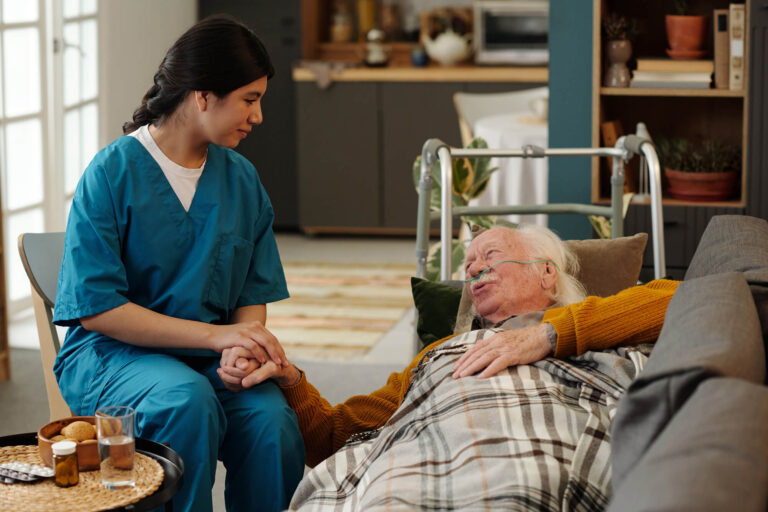
Most hospice patients receive care at home or wherever they live. Nurses visit regularly, aides assist with personal care, and the hospice team remains on call 24/7.
Continuous Care
If a patient experiences a crisis such as severe pain or breathing difficulty, hospice may provide temporary continuous care at home to stabilize symptoms.
General Inpatient Care
If symptoms cannot be managed at home, patients may receive short-term care in a hospital or inpatient hospice facility until they are stable.
Respite Care
To give caregivers rest and prevent burnout, hospice may arrange short-term inpatient stays for the patient while family members take time to recharge.
How Hospice Works

Understanding how hospice care begins and progresses helps families feel more prepared and confident. The process is compassionate, structured, and supportive.
Step 1: Inquiry or Referral
The hospice process normally starts with a recommendation of hospice by a doctor, hospital, caregiver or family member as a result of deteriorating health or complicated care requirements. There are also families that can call a hospice provider and ask questions, discuss issues and options.
Step 2: Assessment and Eligibility Evaluation
After the contact is achieved, a hospice representative visits the patient and family to evaluate needs, symptoms, and medical condition. Cases are reviewed by the physicians and they verify whether the case is eligible.
Step 3: Care Planning
An individual care plan is created to address the patient’s physical, emotional, and spiritual concerns. This planning is actively involved in the family. Tastes on comfort, medicines, spiritual opportunities and support services are respected.
Step 4: Ongoing Care and Support
Visits to the hospice are initiated as planned. Nurses check on condition and medications on a regular basis. Aides aid in personal care. Emotional and spiritual support is offered by social workers, counselors and chaplains. The care plan is constantly modified in response to changes in needs.
Step 5: 24/7 Availability
Hospice teams are available day and night. If pain worsens, breathing becomes difficult, or sudden changes occur, families can call at any hour for help or guidance. This assures families they are never alone.
Step 6: Final Stage Support
Hospice increases the support as the end of life approaches. They assist families in the realization of what is physically and emotionally occurring. They are comfortable, dignified, and reassuring and present.
Supporting Families & Caregivers
While hospice centers around the patient, it also deeply supports families and caregivers. Caring for a loved one near the end of life can bring emotional exhaustion, doubt, guilt, grief, and anxiety. Hospice helps families cope with these feelings and find strength.

Emotional and Educational Support
Hospice counselors help families understand disease progression, emotional reactions, and coping strategies. They listen without judgment and provide reassurance when families feel overwhelmed.
Respite Care
Caregiving can be physically draining. Respite care gives caregivers temporary relief so they can rest, attend to personal needs, or simply regain strength.
Bereavement and Grief Counseling
Grieving does not follow a timeline. After a loved one passes, hospice remains present. Families receive counseling, support groups, and resources for months—even up to a year or more.
Practical Guidance
Hospice helps families navigate paperwork, medical decisions, legal questions, and funeral planning guidance if needed. They also teach safe caregiving techniques, reducing stress and risk for caregivers.
Costs, Locations & Choosing Providers
Many families worry about hospice costs. Fortunately, hospice care is widely covered and designed to be financially manageable.

Hospice Coverage
Most hospice care is covered under:
- Medicare Hospice Benefit
- Medicaid
- Many private insurance plans
Coverage generally includes:
- Medical equipment
- Medications related to terminal illness
- Nursing care
- Aides and caregiver support
- Counseling
- Therapy services
- Spiritual care
- Respite care in many cases
Families should always discuss specific benefits with their hospice provider for clarity. Some costs unrelated to the terminal illness may not be covered, but providers explain this clearly.
Where Hospice Is Provided
Hospice care is flexible and designed to meet patients wherever they feel most comfortable. It may be delivered:
- At home
- In nursing facilities
- In assisted living centers
- In dedicated hospice inpatient facilities
- Occasionally in hospitals when necessary
Most people prefer home hospice because it allows them to remain in familiar surroundings with loved ones nearby.
Choosing the Right Hospice Provider
Selecting a hospice provider is an important decision. Families should consider:
- Reputation and experience
- Availability of 24/7 support
- Range of services offered
- Compassion and communication style
- Family reviews and patient experiences
- Cultural and spiritual sensitivity
- Clear explanations and transparency
Ask questions such as:
- What support do you provide for families?
- How do you manage pain and anxiety?
- What support continues after death?
- How quickly do you respond to emergencies?
Faith Health Group’s hospice care guide provides a compassionate and clear overview of hospice services, helping patients and families understand care options, support available, and how to make informed decisions during end-of-life care.
Blogs