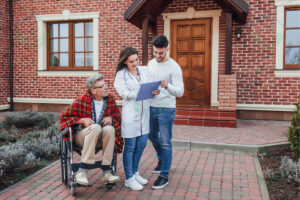
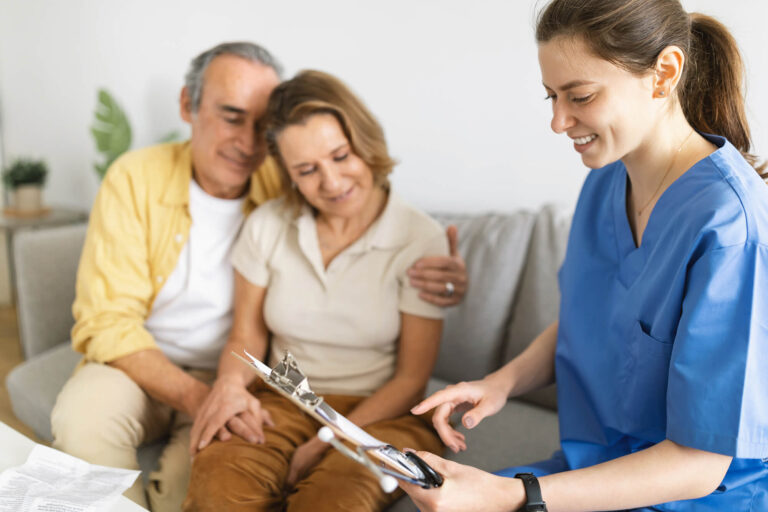
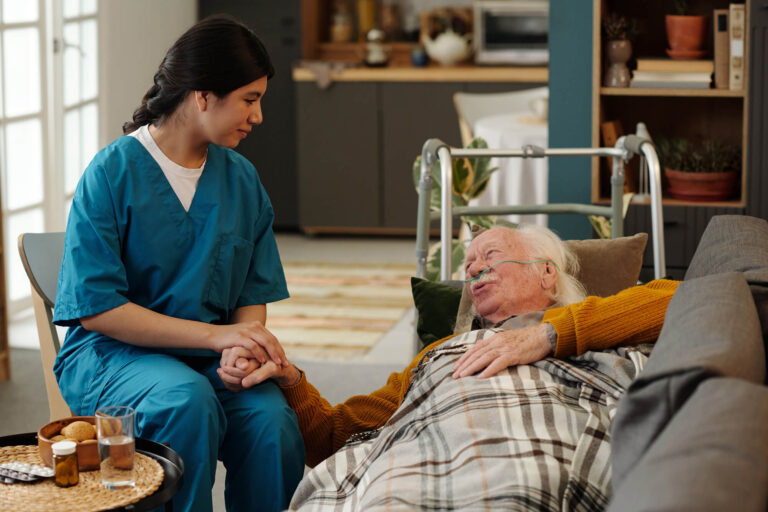

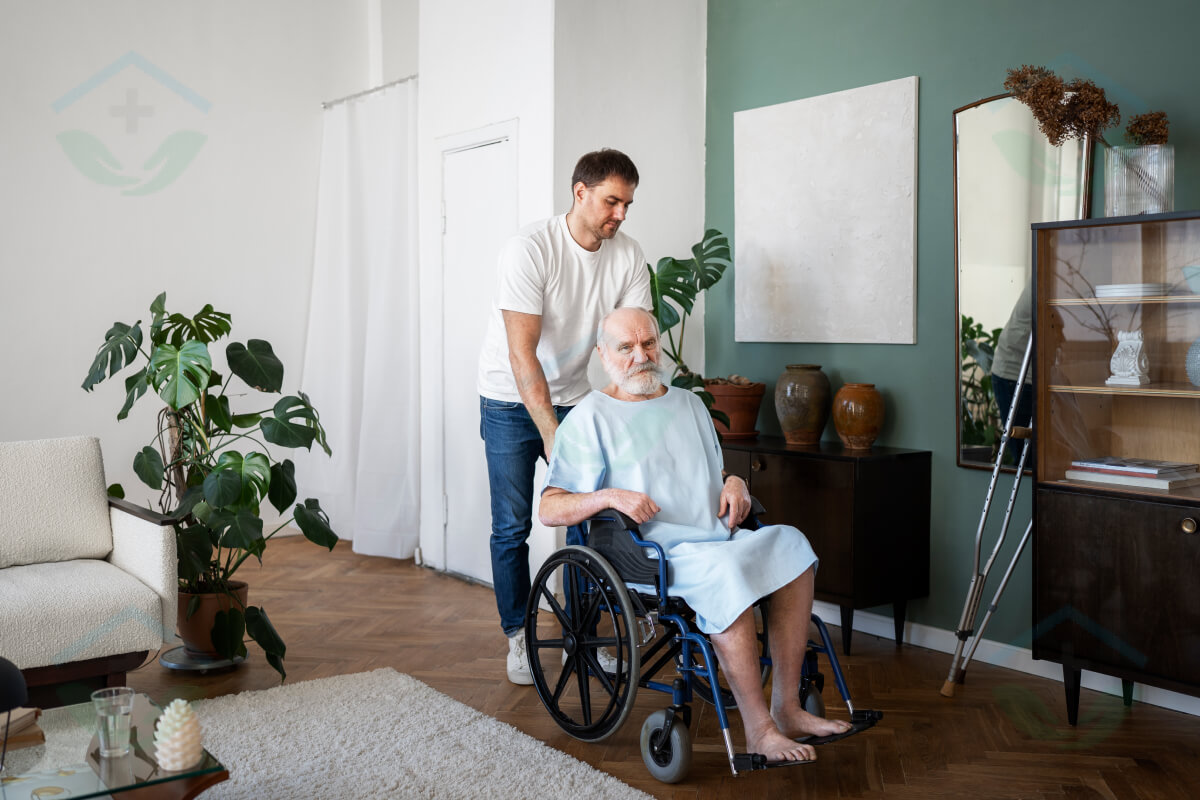
Old age disability is associated with particular emotional, psychological, and physical problems. The loss of mobility, declining independence, and chronic medical conditions may cause anxiety and social withdrawal in most seniors and even depression.
Home-based medical support is transformational in such a situation. Home health care for disabled adults is not meant to solely deal with physical health, but rather to develop emotional well-being, revive confidence, and enhance the overall quality of life.
As more and more individualized care and mental-health-focused nursing programs are being introduced nationwide throughout the United States, the elderly have finally received compassionate care, right from the comfort of their homes. Instead of taking their loved ones to full-time living centers, the families are now gradually turning to services that would keep them safe and emotionally satisfied and maintain their independence.
How home health care improves mental wellness
Adults with disabilities need emotional and physical care. Whenever caring professionals arrive at their homes and visit them, they provide room to healthy habits and significant interactions. This is to avoid feelings of loneliness being one of the greatest mental health triggers among the seniors.
A supportive caregiver ensures:
- Stable routines on a daily basis.
- Socialization to minimize loneliness.
- Observation of emotional distress symptoms.
- Encouragement to maintain hobbies and interests
- Stimulation of the mind by talking, playing brain games or reading.
These interventions shift focus from disability to ability helping seniors embrace what they can do rather than what they can’t.
Emotional benefits of personalized caregiving
Home-based care promotes emotional comfort and familiarity as compared to the crowded long-term facilities. Knowing they are in their own living space removes anxiety and develops a feeling of security.
Individual services also enable the caregivers to learn about the personal behavior patterns, emotional stimulation, and cognitive restrictions. For example, lots of disabled seniors undergo emotional swings unexpectedly because of medication changes, memory loss, or frustration because of limited movement.
A trained home aide is capable of identifying such changes early and re-organizing care appropriately, either by calming exercises, breathing exercises, or warm companionship. That’s why developing personalized care plans for seniors at home plays a key role in ensuring emotional stability and long-term well-being. An enhanced emotional bond between caregiver and patient will greatly influence self-esteem and resilience.
Family collaboration- a key part of mental health support
The involvement of the family is a critical foundation of mental-health development. When the elderly is provided with health care at home, their family members get a chance to participate in wellness programmes, interact with their caretakers and build a more loving atmosphere.
Ways families can support emotional recovery:
- Spend quality time without focusing only on medical tasks
- Maintain familiar traditions and celebrations
- Offer encouragement instead of overprotection
- Participate in light physical or recreational activities
Such collaborations also provide relief to family caregivers who may otherwise face burnout, ensuring everyone in the household benefits.
New Jersey senior care approach
The concept of mental-health-oriented care giving has been receiving a positive outlook in various states in the US, one of them being New Jersey where various home-based care facilities have been integrating physical therapy, emotional counseling, and community interaction.
Many families searching for home health care near New Jersey use the services of home health care providers who include wellness programs like music therapy, art involvement, journaling and mindfulness exercises to the elderly patients. Such innovative and integrative strategies allow disabled adults to be mentally active and emotionally attached.
Encouraging social interaction and community participation
Human connection is essential at every stage of life. The elderly and disabled might not be comfortable interacting with others because of embarrassment, movement difficulties, or the chronic pains.
Home caregivers fill this gap by:
- Accompanying patients to community events, appointments, or senior centers
- Connecting them with peer-support groups
- Facilitating virtual social interactions when needed
Even simple activities such as walks around the neighborhood, puzzle books, watching movies or gardening can improve mental health to a great level. Maintaining social networks decreases the chances of depression and cognitive deterioration.
Maintaining cognitive strength through daily stimulation
Mental fitness is just as important as physical health. In-home care promotes mentally challenging activities to keep elderly adults clear, active, and self-assured.
Such tasks may include:
- Memory exercises
- Storytelling or guided recollection
- Music listening or instrument learning
- Brain puzzle apps
- Reading or writing sessions
Although physical movement may be restricted by disability, the cognitive activities provide the seniors with a feeling of achievement and control over their environment.
Conclusion
Enhancing mental wellness for disabled seniors must be a priority, not an afterthought. A home health care is a potent, compassionate solution, since it brings regular emotional care, promotes self-reliance, and makes the aging individuals sociable and thought-provoking. Once the elderly are given the care of the doctor, companionship and support in their own familiar surroundings, their self-esteem and happiness in life increase exponentially.
For families across the United States, especially in supportive communities like New Jersey, home-based care enables aging loved ones not only to live longer, but to live better. With the right assistance, seniors with disabilities can continue to lead fulfilling lives filled with dignity, happiness, purpose, and emotional security.
FAQs
1. What is home health care for disabled adults?
It means professional medical and personal assistance services at the home of a senior to help him/her cope with the physical and emotional needs without leaving to an assisted-living facility.
2. How does home care improve mental health?
It helps to avoid loneliness, provides social companionship, promotes social interaction, and gives everyday routines that help to maintain emotional stability.
3. Can home health care help seniors with memory conditions like dementia?
Yes. Professional caregivers help with memory training, behavioral control, safety control and emotional support of dementia patients.
4. Is home health care more beneficial than nursing homes?
Most families choose to receive care at home because the elderly are able to remain in a setting they know, more independent, less stressed, and less depressed.
5. Can caregivers support family members too?
Absolutely. Caregivers provide regular updates, offer guidance and respite care to the family members regularly so that they can avoid emotional exhaustion.