


Independent living is not a one-size-fits-all journey—especially for individuals with developmental or intellectual disabilities. In New Jersey, it is becoming more common that families and individuals are moving towards solutions that are more personalized, in-home, which emphasize skill-building, confidence, and autonomy.
This is where home-based habilitation service NJ plays a vital role in facilitating the gap between day to day support and with long-term independence while allowing individuals to remain in familiar surroundings.
Understanding home-based habilitation services
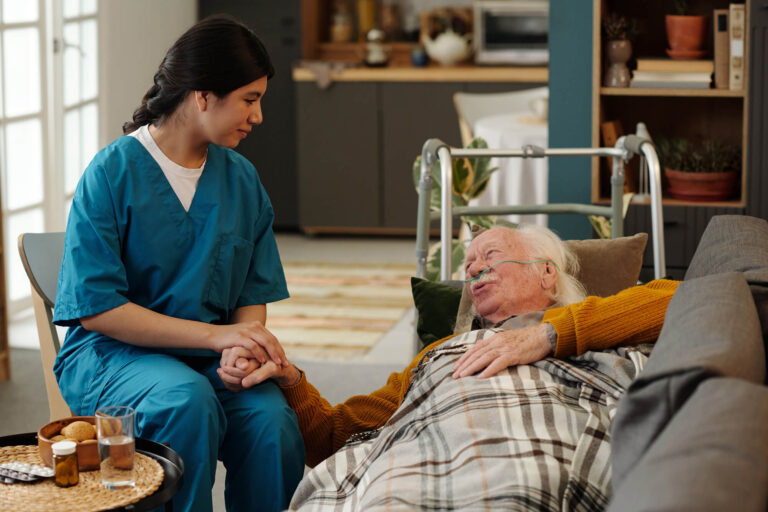
Home based habilitation services are developed to assist people to acquire, nurture, and advance basic skills in life that are required for independent living. These services, unlike clinical or institutional services, are provided in the home or community environment of the individual, and hence, they are comforting, consistent, and practical.
Every support plan is a person-centered approach that implies that the services must correspond to abilities, preferences, and long-term goals of the individual. This tailored plan encourages slow, gradual development as opposed to radical change of lifestyle.
Why New Jersey prioritizes community-based living
The state of New Jersey has integrated community inclusion in its disability support system. As an alternative to residential facilities, the state encourages services which enable people to be active in their neighbourhoods and in their families.
Home-based habilitation is being prepared by a number of families in cities like Trenton in order to create some stability, at the same time continuing to receive professional advice. This practice will lessen institutional loyalty and increase daily engagement in community life.
How home-based habilitation supports independent living
1. Daily living skill development
One of the most significant priorities of home-based habilitation is to develop important everyday skills in a well-known environment. The support professionals help individuals with:
- Personal hygiene, grooming, and self-care routines
- Meal planning, cooking basics, and food safety
- Household responsibilities such as cleaning and laundry
These are skills that should be practiced at home where people feel in control and competent handling their own space.
2. Decision-making and self-reliance
Independence is not merely a finishing of tasks but also making informed decisions. They are promoted to think ahead, state preferences and have some ownership of the day-to-day decisions. This eventually develops into self-advocacy and emotional confidence.
3. Community engagement and social skills
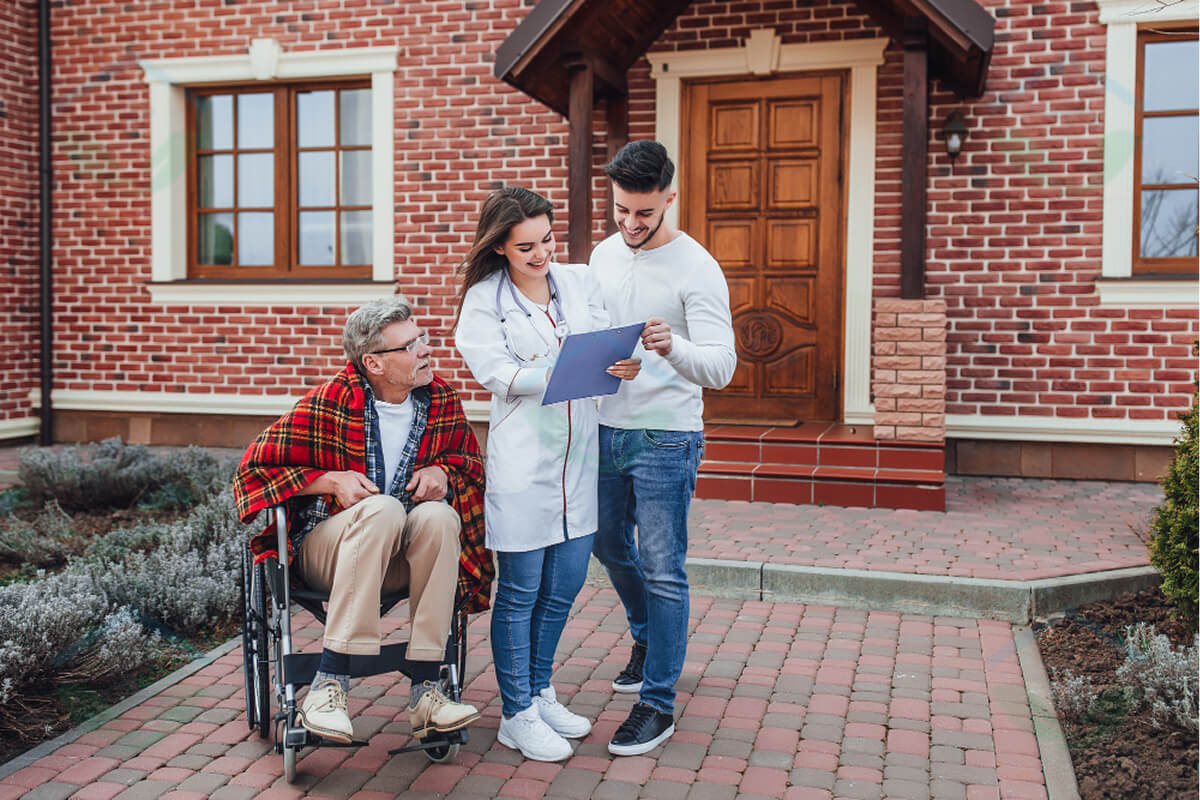
Services often extend beyond the home to include community-based activities. The individuals could be accompanied during traveling through public transportation, shopping alone, or participating in the local events in the state of New Jersey. These experiences reduce social isolation and promote a sense of belonging.
The role of caregivers and support professionals
- Guided Independence Approach
Caregivers are concerned with education and not doing work on behalf of people. They provide support as they give advice, but not control and thus allow people to gain confidence as they learn at their pace.
- Consistency and Routine Support
Having regular schedules and expectations makes people feel safe and will decrease anxiety. This permanence promotes sustainable addiction formation and proficiency.
- Collaborative Family Coordination
The support professionals work alongside the families to make all abide by the same goals and strategies to form a unifying and supportive atmosphere.
- Emotional Encouragement and Trust-Building
Caregivers offer support in the hardships and promote problem resolution. This equilibrium makes people know how to be resilient and not to be afraid of failure.
- Adaptive Support Over Time
As individuals gain skills, caregivers gradually reduce assistance, ensuring growth toward independence rather than long-term dependency.
A New Jersey–based example
Think of a young adult who lives with the family in the north of New Jersey and is not willing to live independently. Through home-based habilitation, they learn budgeting skills, prepare simple meals, and practice commuting to a part-time job. These skills with time lead to the family members becoming independent and thus making them gain independence in their future housing arrangements.
It emphasizes the usefulness of home-based habilitation in facilitating long-term independence as this is a gradual skill-building process that is performed in the real life.
Long-term benefits for individuals and families
- Increased self-confidence and autonomy
People become proud of their ability to cope with everyday activities without depending on anybody and this builds self-esteem.
- Stronger social and communication skills
Regular interaction within the home and community improves communication, relationship-building, and social comfort.
- Reduced long-term care dependency
Skill-building at home decreases the likelihood of future reliance on institutional or emergency care services.
- Improved emotional well-being
The well-known surroundings and the constant support make the stress levels lower and the emotional stability increased.
- Peace of mind for families
When families are sure that their loved ones are in a safe place shedding the cobwebs on the path to independence, they feel relieved.
- Sustainable family relationships
The interactions between family members are also enhanced when people become more self-reliant and there is less pressure and mutual disrespect.
Conclusion:
Home-based habilitation services in New Jersey enable people to grow in their own homes as they acquire skills on how to live independently. This method produces meaningful development without interfering with regular life by directing personalized objectives, community incorporation, and learning in the real world. Helping people become self-sufficient at home does not only make them better people- it makes them healthier families and communities within the state.
FAQs
1. What is the purpose of home-based habilitation services?
The major one is to aid people in acquiring life skills that will facilitate independent and community-based living.
2. Who is eligible for these services in New Jersey?
Eligibility typically includes individuals with developmental or intellectual disabilities who meet state program requirements.
3. Are services limited to adults only?
No, home-based habilitation support can be given to both adolescents and adults based on their eligibility.
4. How are goals and care plans created?
The care plans are made personalized depending on needs, capabilities and long term independence objectives.
5. Do these services help reduce long-term care dependency?
Well, with the provision of vital skills at an early age, and regularity, home-based habilitation would decrease the need to use institutional or emergency care in the long-term.