

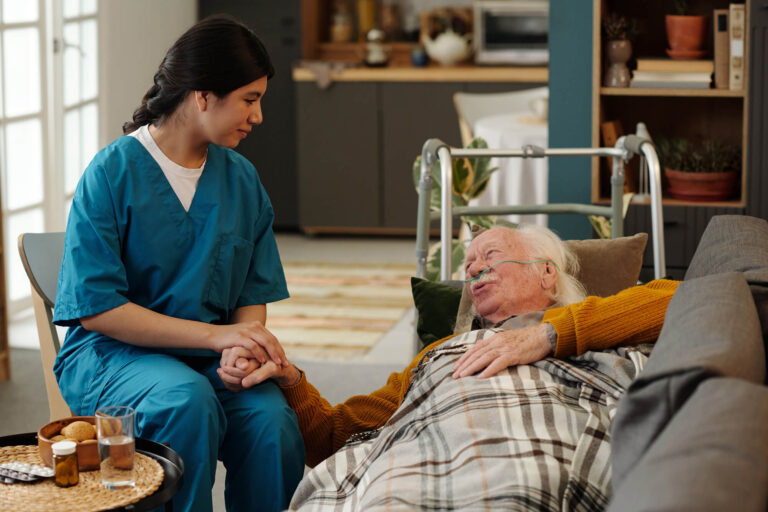


End-of-Life Care Best Practices

End-of-Life Care Best Practices: The Complete Guide
End-of-life care refers to providing comfort, dignity and support at the end of life. Although this may be a challenging time in the life of patients and families, planning and humane care can move the patients and families towards meaningful experiences and lessen the time of unnecessary pain.
This guide elaborates on the best practices in end-of-life care, the philosophy of quality care, and how families and health professionals may collaborate in enhancing healthcare provision to their patients during this significant period.
Table of Content
- Definition & Purpose of End-of-Life Care
- Understanding Comfort, Dignity & Care Goals
- What End-of-Life Care Best Practices Mean
- Who Benefits & When Best Practices Become Important
- End-of-Life Care Best Practices Breakdown
- The Four Stages of End-of-Life Care Planning
- How End-of-Life Care Works
- Supporting Families & Caregivers
- Costs, Coverage & Care Settings
- Choosing the Right End-of-Life Care Approach
- FAQs
Definition & Purpose of End-of-Life Care
Do you have a loved one with a serious illness who is taking care of him but not sure what to expect as they progress through their illness? Do you need help in giving comfort and support to someone who is at the end of their life? Are you willing to make your loved one have his or her wishes honored?
End-of-life care considers the best quality of life in a patient that is living with a life-limiting condition. The main objective is not to heal disease but to offer physical comfort, emotional support, spiritual care and dignity.
Best practices in end-of-life care assist patients and allow them to be as comfortable as they can during the process of making complicated decisions and coping with the loss of loved ones also allows families to make tough decisions and endure the emotions. Good care takes into consideration pain management, symptom control, communication, personal preferences and the support of the caregiver.
Knowledge of these best practices assists families to make empowered choices and makes sure that patients obtain loving care that is sensitive to their values and desires.
Understanding Comfort, Dignity & Care Goals
The end-of-life phase is usually accompanied by physical, emotional, and spiritual troubles. Family members might be plunged in doubt when attempting to decide which approach to adopt in the course of assisting their beloved.
Knowing the end-of-life care objectives implies encompassing which things are important to the patient, and not only medical procedures. All people are different and the wishes of individuals should be used when making care plans.
Patients often prioritize goals such as
- Remaining comfortable and pain-free
- Staying in familiar surroundings
- Spending meaningful time with loved ones
- Maintaining dignity and independence
- Receiving emotional and spiritual support
- Avoiding unnecessary hospitalizations
When these goals are discussed openly, families and healthcare providers can create care plans that respect the patient’s values while providing the highest level of comfort possible.
What End-of-Life Care Best Practices Mean
The best practices surrounding end-of-life care are evidence-based practices and compassionate care practices that enhance end-of-life status among patients. These interventions assist caregivers and healthcare professionals in meeting the physical, emotional, social needs of the patients and families as well as their spiritual requirements.
Best practices may include
- Comprehensive symptom management
- Effective pain control
- Open communication and care planning
- Emotional and psychological support
- Spiritual care services
- Family and caregiver support
- Advance care planning
- Ongoing reassessment of patient needs
These approaches help ensure care remains patient-centered and responsive throughout the care journey.
Who Benefits & When Best Practices Become Important
End-of-life care best practices are beneficial for patients with serious or life-limiting illnesses as well as the families who support them.
These practices become especially important when
- Curative treatments are no longer effective
- Symptoms significantly affect quality of life
- Comfort becomes the primary care goal
- Hospital visits become more frequent
- Advanced illness progresses
- Caregiver responsibilities increase
- Emotional and spiritual support is needed
- Future care decisions must be made
Common conditions that may require end-of-life care include
- Advanced cancer
- Heart disease
- COPD and lung disease
- Dementia or Alzheimer's disease
- Kidney failure
- Liver disease
- Neurological disorders
- Advanced chronic illnesses
Early adoption of best practices often improves patient comfort and family preparedness.
End-of-Life Care Best Practices Breakdown
Quality end-of-life care requires a coordinated approach that addresses the unique needs of each patient and family.
Core end-of-life care best practices typically include
Pain Management
Pain should be assessed regularly and managed proactively to help patients remain comfortable and maintain the best possible quality of life.
Symptom Control
Symptoms such as breathlessness, nausea, fatigue, anxiety, and restlessness should be monitored closely and treated promptly.
Clear Communication
Open and honest conversations help patients and families understand care options, expectations, and changing healthcare needs.
Advance Care Planning
Care preferences, treatment decisions, and healthcare wishes should be documented and reviewed regularly.
Emotional Support
Patients and families benefit from counseling, reassurance, and compassionate guidance throughout the care journey.
Spiritual Care
Spiritual support services help individuals find comfort, meaning, and peace according to their personal beliefs and values.
Family & Caregiver Support
Families require education, practical assistance, and emotional support to help manage caregiving responsibilities.
Continuous Care Coordination
Healthcare providers should work collaboratively to ensure consistent communication and seamless delivery of care services.
The Four Stages of End-of-Life Care Planning
Providing effective end-of-life care often involves several important stages of planning and support.
Step 1 – Understanding the Diagnosis
Patients and families receive information regarding the illness, prognosis, and expected care needs.
Step 2 – Establishing Care Goals
Care preferences and quality-of-life priorities are discussed and incorporated into the care plan.
Step 3 – Providing Ongoing Comfort Care
Healthcare teams focus on symptom management, emotional support, and patient comfort.
Step 4 – Supporting Families Before & After Loss
Families receive guidance, bereavement support, and resources throughout the end-of-life journey.
How End-of-Life Care Works
The care process is designed to support both patients and families while ensuring comfort and dignity remain the primary focus.
Step 1: Comprehensive Assessment
Healthcare providers evaluate symptoms, physical needs, emotional concerns, and care goals.
Step 2: Personalized Care Planning
A care plan is developed based on patient wishes, symptom management needs, and family preferences.
Step 3: Symptom & Comfort Management
Pain, discomfort, and other symptoms are monitored and treated using appropriate interventions.
Step 4: Family Education & Support
Families receive guidance regarding caregiving, symptom changes, and what to expect as the illness progresses.
Step 5: Ongoing Care Coordination
Healthcare providers communicate regularly to ensure care remains consistent and responsive.
Step 6: Bereavement & Continued Support
Support services continue for families after a loved one’s passing to help them navigate grief and adjustment.
Supporting Families & Caregivers
End-of-life care affects the entire family. Caregivers often face emotional stress, physical exhaustion, and uncertainty while supporting a loved one.
Emotional and Educational Support
Healthcare teams provide information, reassurance, and emotional guidance to help families navigate difficult decisions and changing circumstances.
Respite Care
Temporary care services allow caregivers to rest and recharge while ensuring patients continue receiving quality support and supervision.
Bereavement and Grief Counseling
Counselors help families process emotions, prepare for loss, and access support before and after a loved one’s passing.
Practical Guidance
Care teams assist families with caregiving strategies, care planning, communication, and accessing community resources.
Costs, Coverage & Care Settings
Many end-of-life care services may be covered through healthcare benefits and supportive care programs.
Coverage may include
- Medicare Hospice Benefit
- Medicaid programs
- Private insurance plans
- Hospice care services
- Counseling and support services
- Medical equipment and supplies
End-of-life care may be provided in
- The patient's home
- Hospice facilities
- Hospitals
- Nursing homes
- Assisted living communities
Understanding available coverage and care options helps families focus on their loved one’s comfort and well-being.
Choosing the Right End-of-Life Care Approach
Quality end-of-life care should reflect the patient’s wishes, values, and goals while providing comprehensive support for families.
Consider
- Patient comfort and symptom management
- Availability of emotional support
- Caregiver assistance and education
- Communication and care coordination
- Spiritual care options
- Advance care planning support
- Bereavement services
- Overall quality of care
Ask questions such as
- How will pain and symptoms be managed?
- What support is available for family caregivers?
- How are care preferences documented?
- What services continue after a loved one's passing?
FAQs
What is the primary goal of end-of-life care?
The primary goal is to improve comfort, dignity, quality of life, and emotional well-being for patients and families.
When should end-of-life care planning begin?
Planning should begin as early as possible when a serious illness progresses and future care needs become important.
Does end-of-life care only focus on physical symptoms?
No. It also addresses emotional, spiritual, social, and practical needs for both patients and families.
Can end-of-life care be provided at home?
Yes. Many patients receive end-of-life care in their homes with support from healthcare professionals and caregivers.
Why are family support services important?
Family members often experience emotional and physical challenges while caregiving, and support services help them navigate this difficult time more effectively.
Blogs