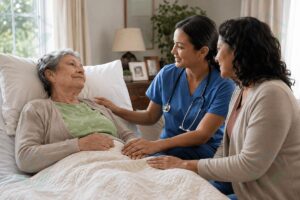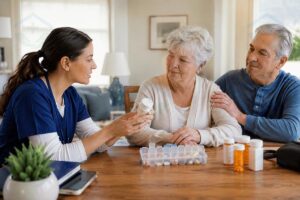
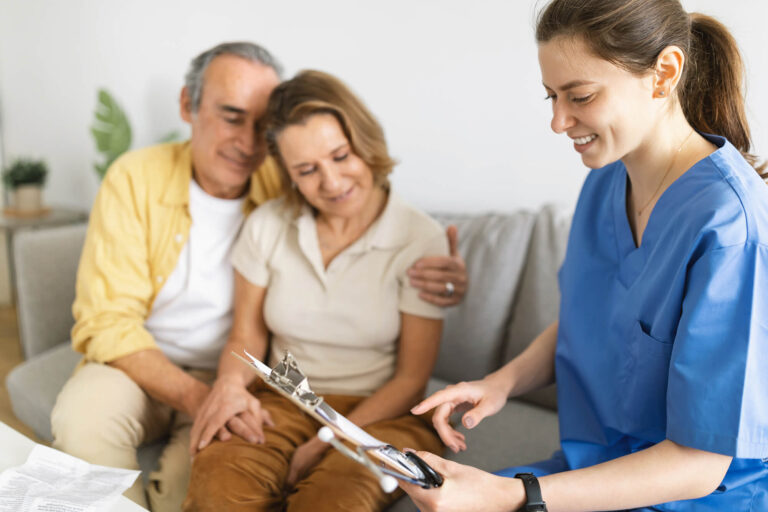
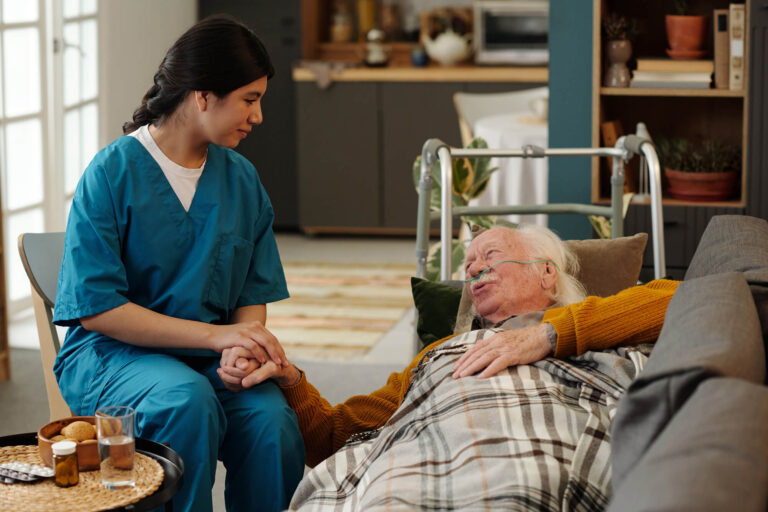
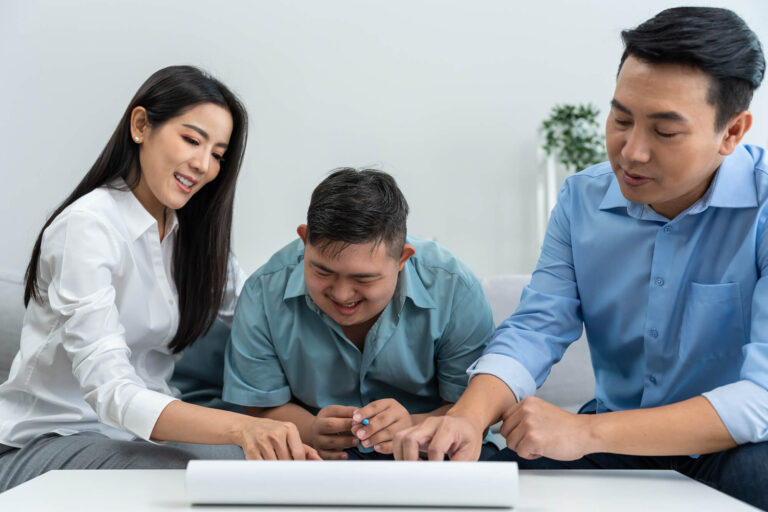
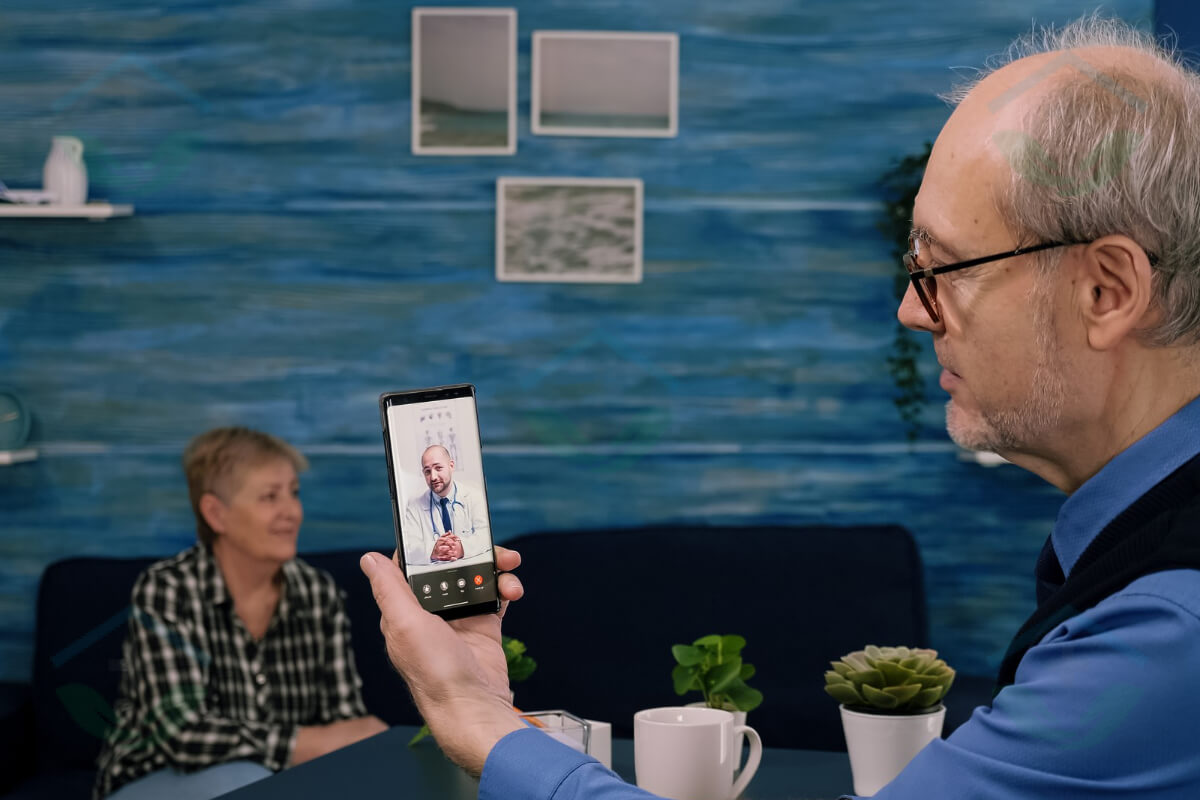
The environment of home health care is changing very fast with the implementation of technology in the daily wellness. The Smart devices and remote monitoring are changing the mode of care delivery in the home setting where frequent checkups are replaced by ongoing, data-based assistance.
The new strategy will enable people to stay in their familiar environment and still get quality health care. The outcome is a more receptive, personalized and efficient model of home health that will help both the patients, care givers and the families.
Understanding smart devices and remote monitoring in home health
Smart devices employed during home health care are tailored to monitor vital signs and other indicators of health and transfer the data to caregivers or medical experts freely. Such tools will help make decisions in a timely manner and decrease the reliance on regular visits to the clinic. Remote monitoring systems examine data that is received and indicate possible issues in time, preventing complications before they arise.
By combining technology with home-based care, it enables individuals to have access to 24-hour health supervision without having to disturb their daily lives. This style is particularly useful in cases such as home health care for disabled adults, the elderly, and people with limited mobility or chronic illnesses, as it helps them receive consistent care while maintaining independence.
Why technology is changing the home health landscape
The conventional model of home health care is based upon scheduled visits that may cause loopholes in care provision. Those gaps are addressed by smart technology that gives a real-time insight into the health condition of an individual.
The main factors that are transforming the home health are:
- Continuous monitoring instead of periodic observation
- Real-time data that ensures identification of changes in health.
- Reduced hospital visits and emergency situations
- Better interaction between the clinicians and the caregivers.
- Greater patient engagement through access to personal health data
All these developments are assisting home health care to be more efficient, proactive and patient-centered.
Key benefits of smart devices in daily home care
Smart devices will provide both the practical and emotional comfort to people who get home-based care.
Some of the most notable benefits include:
- Proper monitoring of vital signs including heart rate, blood pressure and oxygen.
- Improved medication adherence through smart reminders
- Enhanced safety with fall detection and emergency alert systems
- Better long-term health insights through data trends
- Increased confidence for individuals living independently
Remote monitoring and chronic condition management
Remote monitoring is significant in the management of long-term diseases like diabetes, heart and respiratory diseases. Healthcare providers do not need to visit patients physically only to review their data and intervene but can do it remotely and intervene when necessary. Patients who would have had to travel frequently in order to take checkups are relieved of stress by this model.
Supporting independence through technology
Among the most significant effects of smart devices, it is possible to mention the possibility of supporting independence. A significant number of patients would like to be given care at home instead of in institutions. This is possible through remote monitoring without safety being compromised.
The knowledge that the health information is tracked is reassuring, and people will be able to go about their business and continue living their daily lives.
A US-based perspective on smart home health care
The use of smart home health technology in the United States remains on the rise, especially in the states with aging populations. Families in New Jersey tend to integrate personal care with digital health technologies to provide a reliable monitoring system.
An in-home care center in New Jersey may use remote monitoring devices alongside regular visits, enabling caregivers to focus on hands-on support while technology handles ongoing health tracking.
The role of caregivers in a tech-enabled environment
Technology does not substitute caregivers, it instead improves their role. Real-time health data will allow caregivers to learn more about the needs of people and provide appropriate support. Observation of trends aids the caregivers to foresee problems rather than responding to problems when they occur.
Caregivers also serve as the bridge between technology and human connection. They describe how to use a device, assure people and make technology feel friendly and not frightening.
Privacy and trust in remote monitoring
With the emerging digital health care, patient data is paramount to protect. The current monitoring platforms are developed with a high level of security which can ensure protection of personal information. The level of trust increases when people are informed about the way their data is consumed and shared.
Proper education of the privacy policies and the functionality of the device would foster acceptance and trust towards smart health solutions. Once trust is built, technology can be a pleasant companion in care and not an issue.
Conclusion
In the future, connected, adaptable, and customized home health care is developing through smart devices and remote monitoring. These tools will be even more user friendly and available with the ever increasing advancement of technology.
This change is not just an innovation but a change of direction towards caring, the awareness that it is responsive to the life of people. Home health care in the new era of caring, comfort, and long-term care, is transforming technology with caring support.
FAQs
1. What are smart devices in home health care?
They are digital tools that monitor health records and help in monitoring as long as people are at home.
2. How does remote monitoring improve home care?
It provides the ability to monitor the health conditions constantly and intervene early when it is necessary to do so.
3. Can smart devices replace caregivers?
No, they support caregivers by providing data, but human care and interaction remain essential.
4. Are these devices suitable for older adults?
Yes, the majority of them are created to be easy to use and simple to work with requiring minimum training.
5. Is remote monitoring useful for long-term care?
Yes, it is especially effective for managing chronic conditions and supporting independent living at home.